Safety triage
Separate wiring, structural, and access concerns from cosmetic damage.
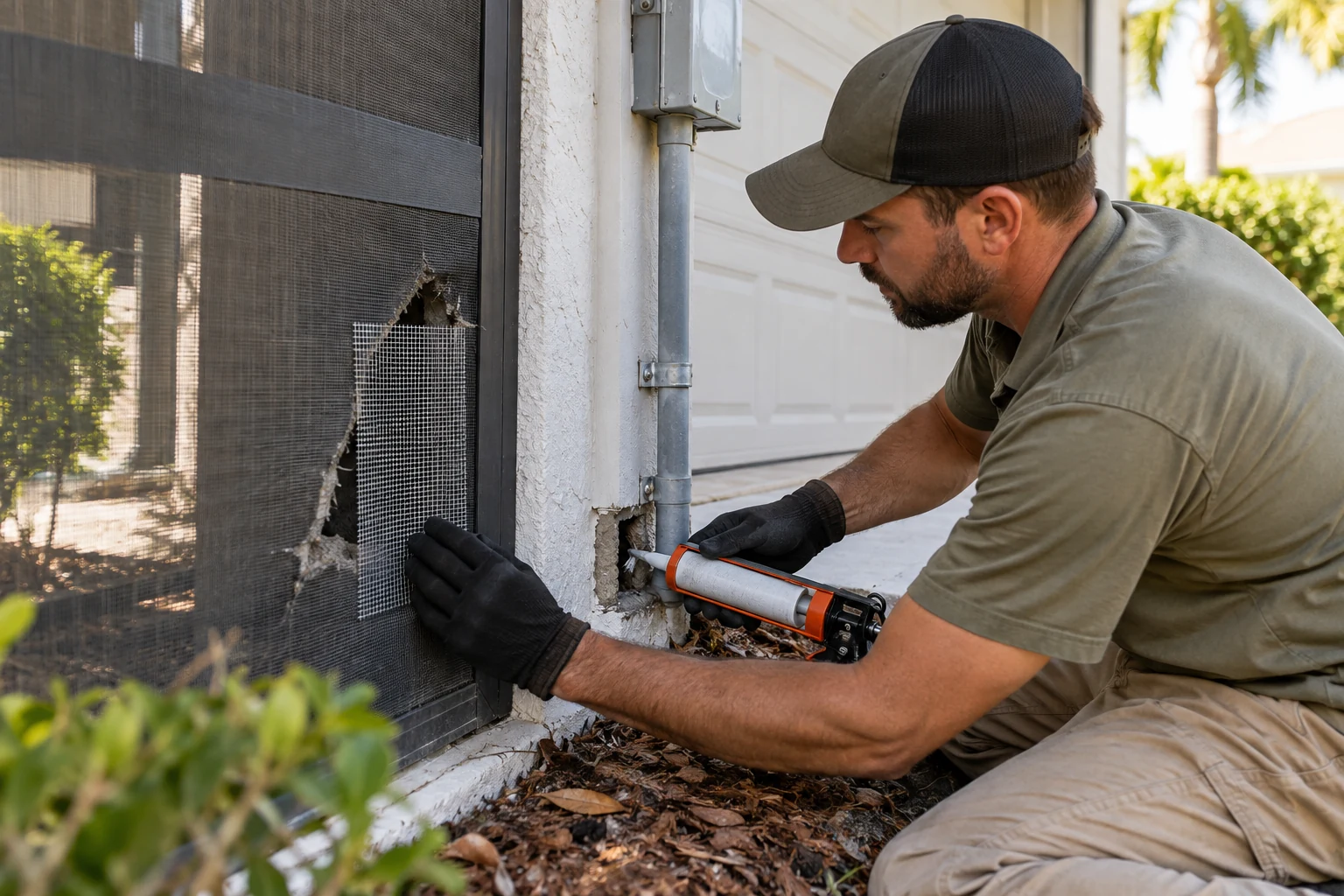
Rodent activity can leave more than a pest problem. Gnawing may damage screens, door sweeps, insulation, stored materials, or wiring; nesting can affect finishes and concealed spaces. The first step is to separate control needs from repair needs so the right work happens in the right order.
Separate wiring, structural, and access concerns from cosmetic damage.
Repair the opening that allows renewed activity before secondary finishes.
Choose a repair that suits the location, exposure, and building material.
Do not close a route in a way that traps active animals or hides evidence.
For Rodent Damage Repair, the visit connects the reported signs to the building conditions that can sustain them.
We document visible damage during the rodent visit and help prioritize repairs that affect safety, access, sanitation, or the chance of activity returning.
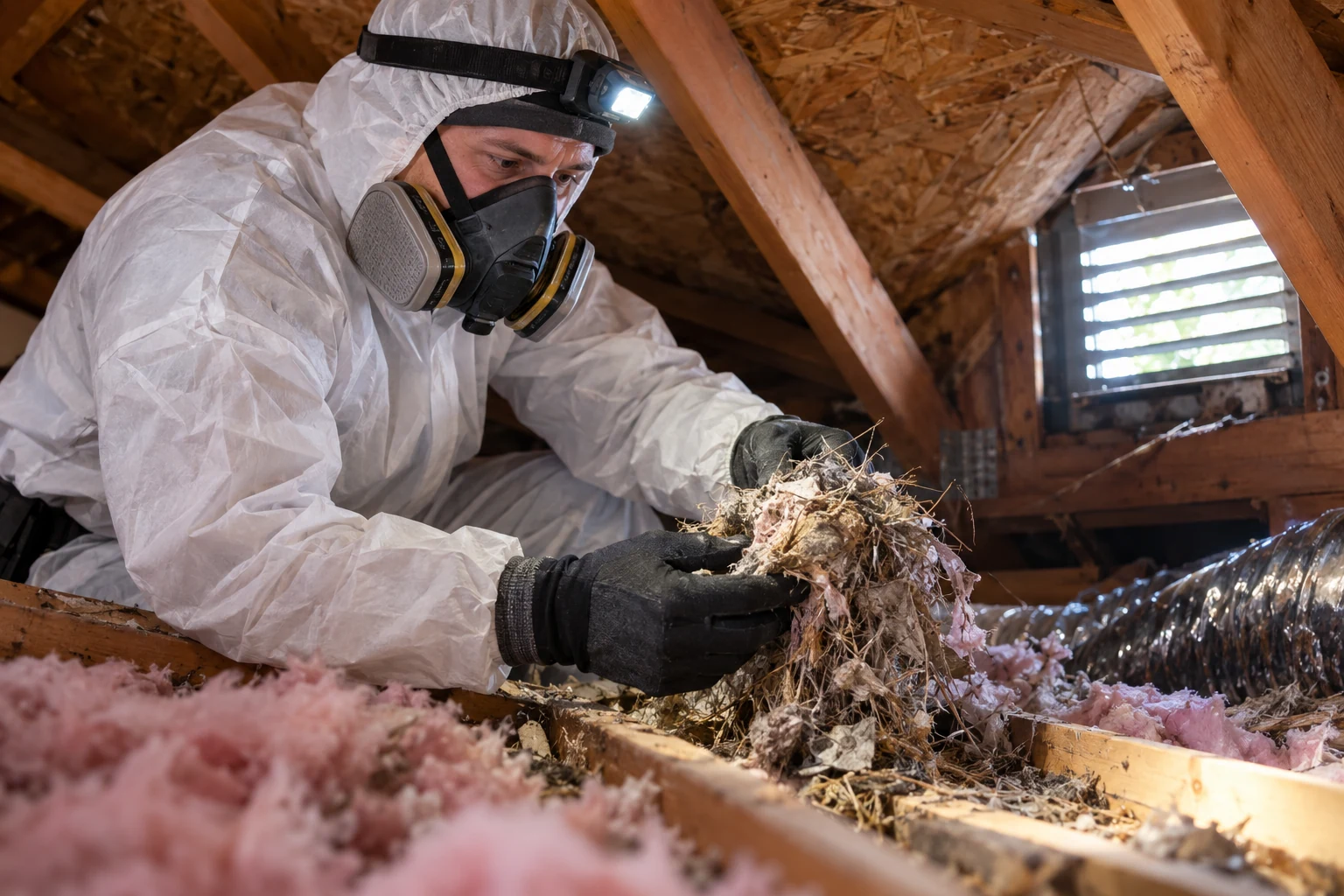
Rodent damage can affect the building envelope, screens, insulation, finishes, and electrical components. The repair begins by understanding which damage is still connected to activity.
The Rodent Damage Repair visit follows the evidence most relevant to this service, then sets the next action in a clear order.
We record where gnawing, nesting, staining, or material displacement appears and note whether the area is active or historical.
Safety-sensitive concerns, open access points, contaminated material, and visible finishes do not all follow the same repair priority.
Some sealing and minor repair work may fit the control plan; electrical, structural, insulation, or finish work may require a specialist.
After repairs, we review the original route and recommend monitoring so a completed repair is not undermined by a missed opening.
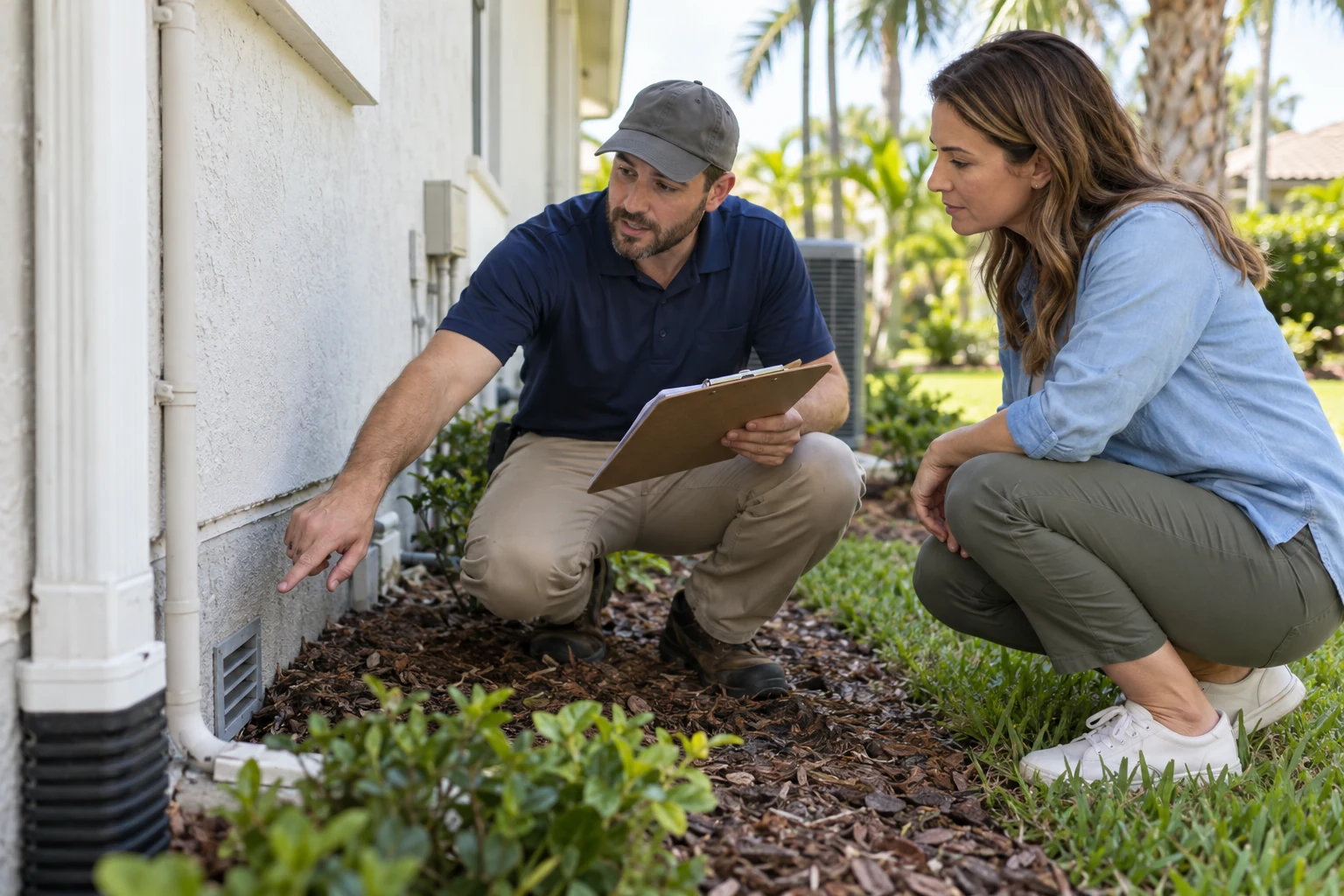
A useful repair conversation names the boundary and protects the next decision.
A hole, loose screen, damaged door sweep, or compromised finish can turn removal into a temporary result.
Use this service when gnawing, holes, damaged materials, or building wear are part of the rodent story.

The right repair is about sequence as much as material.
Sealing too early can trap animals or redirect them into occupied space.
Those conditions need a qualified specialist.
Roofline, exterior, garage, and crawl-space repairs need different durability.
Repair the access route first, then restore affected finishes.

Clear photos and location notes help separate a repair request from a control request.
Capture the opening, material, and nearby evidence without removing it.
Share fresh gnawing, sound, odor, or droppings around the damaged area.
Do not handle suspected electrical damage; identify it for qualified review.
Mention patching, screens, door work, roof work, or temporary covers.
Know what was repaired, what remains open, and what confirms the original route is addressed.
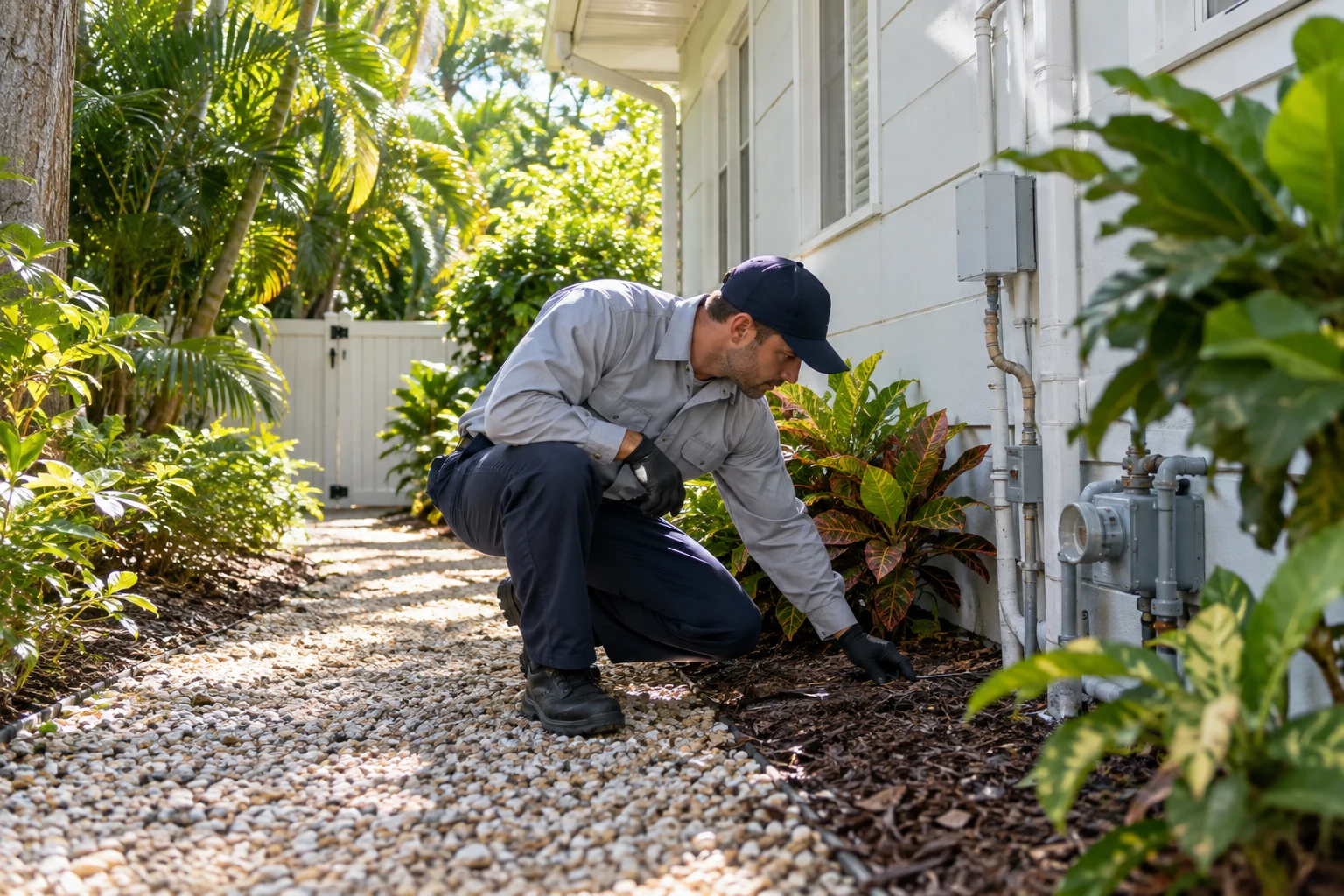
A repair inspection can reveal that the visible defect is only one part of the route.
Electrical evaluation becomes the immediate priority.
Structural or weatherproofing work may be needed.
The control or exclusion boundary may be incomplete.
Cleanup or replacement may be necessary before finishing.
Tell us what is damaged, where it sits, whether the sign is fresh, and whether wiring or structural material is involved.
A repair is not finished until the original route and surrounding material are checked again.
Mark the opening relative to the suspected travel line
Identify wiring, structure, height, heat, or inaccessible conditions
Record what should change if the repair holds
Gnawing can affect wiring and other building components. Treat any suspected electrical damage as a repair issue and have it assessed by a qualified professional.
We can identify and prioritize openings relevant to rodent access. The actual repair method depends on the material, location, and scope.
Usually the sequence depends on whether the opening is active, whether animals are inside, and whether sealing it would trap activity. The inspection should guide the order.
We can document affected insulation and explain when replacement or specialist remediation should be part of the next step.
For Rodent Damage Repair, describe the affected space, the timing, and what has already changed so the first conversation is useful.
Describe the problem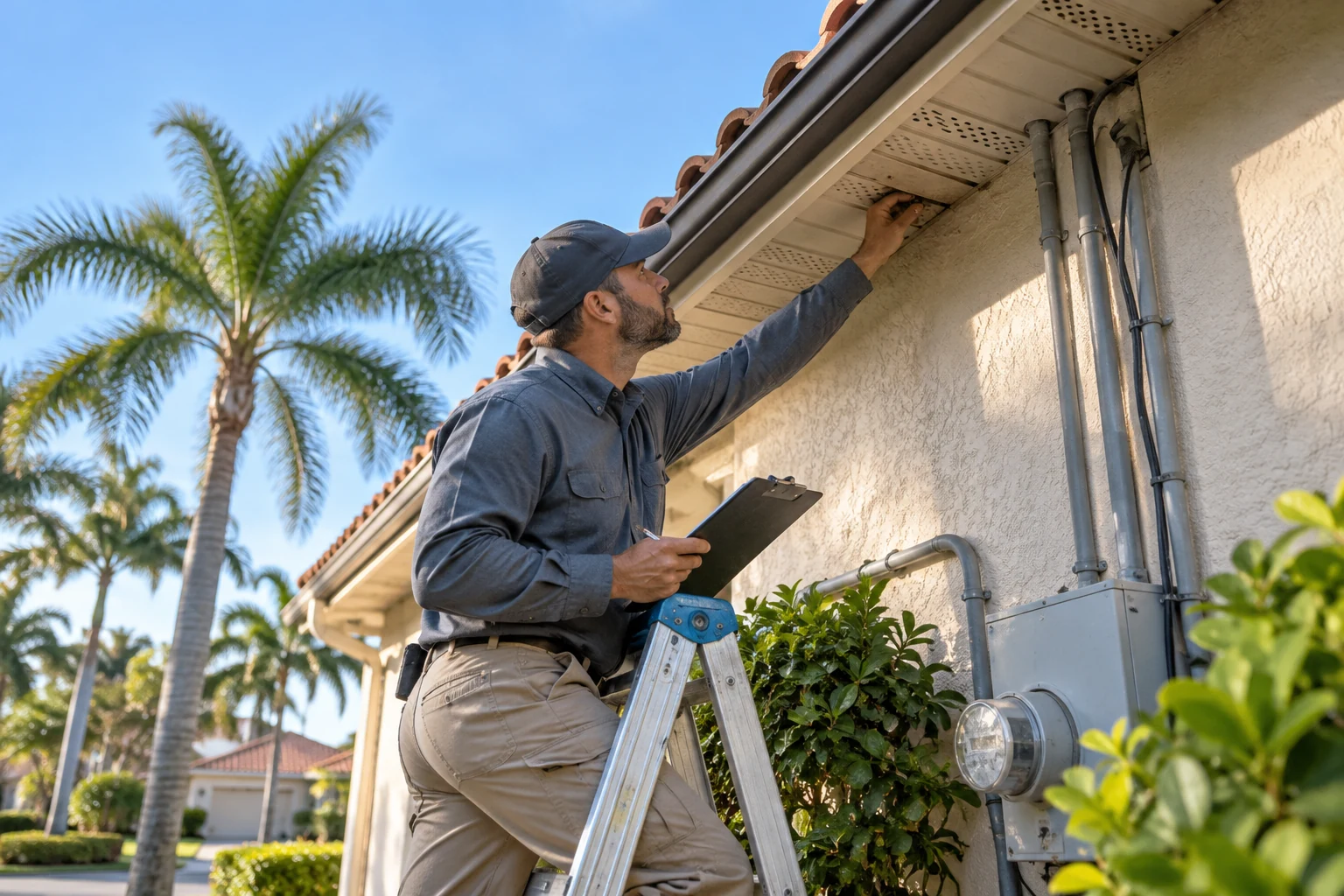
See how this related option supports Rodent Damage Repair planning.
View service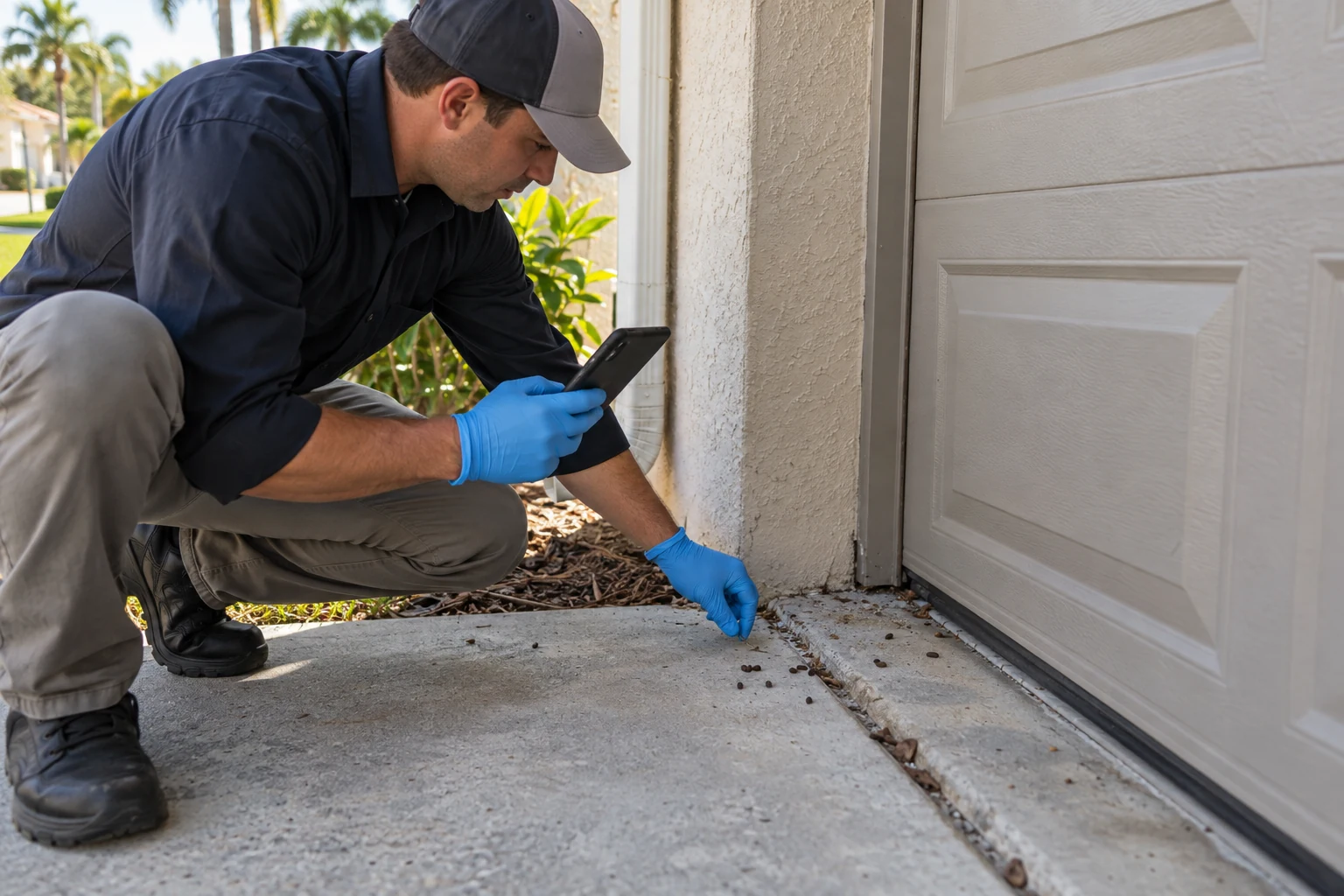
See how this related option supports Rodent Damage Repair planning.
View service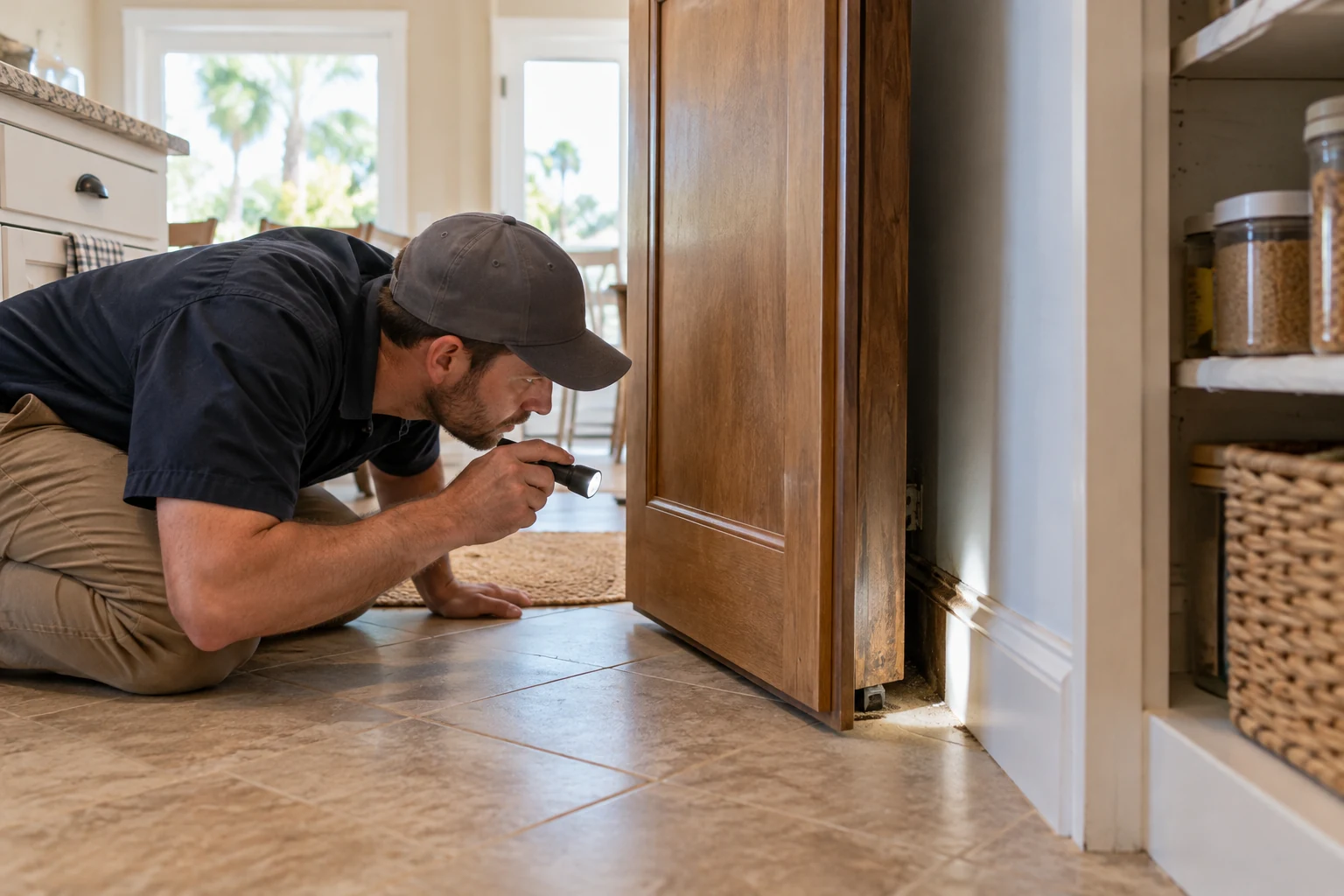
See how this related option supports Rodent Damage Repair planning.
View service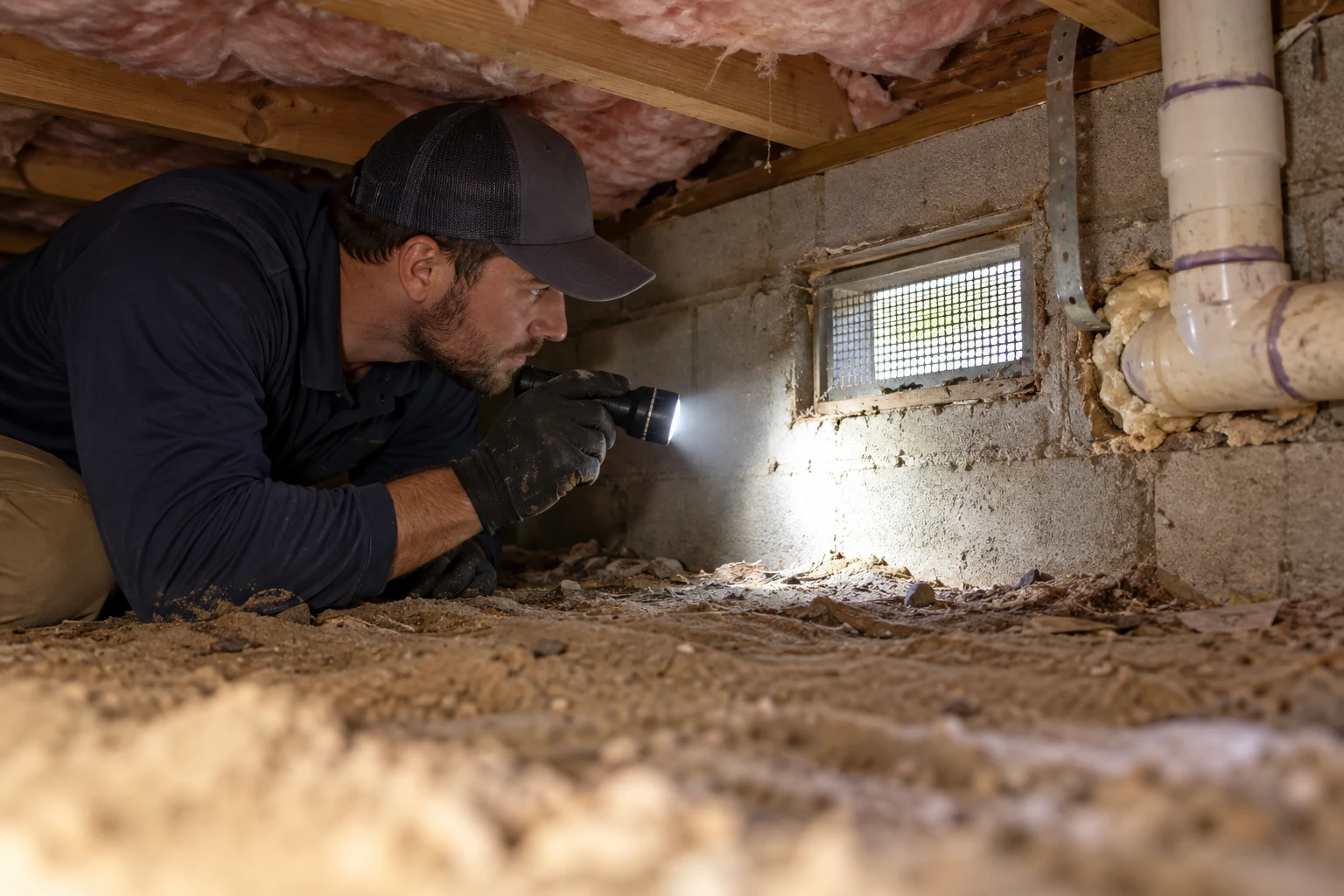
See how this related option supports Rodent Damage Repair planning.
View service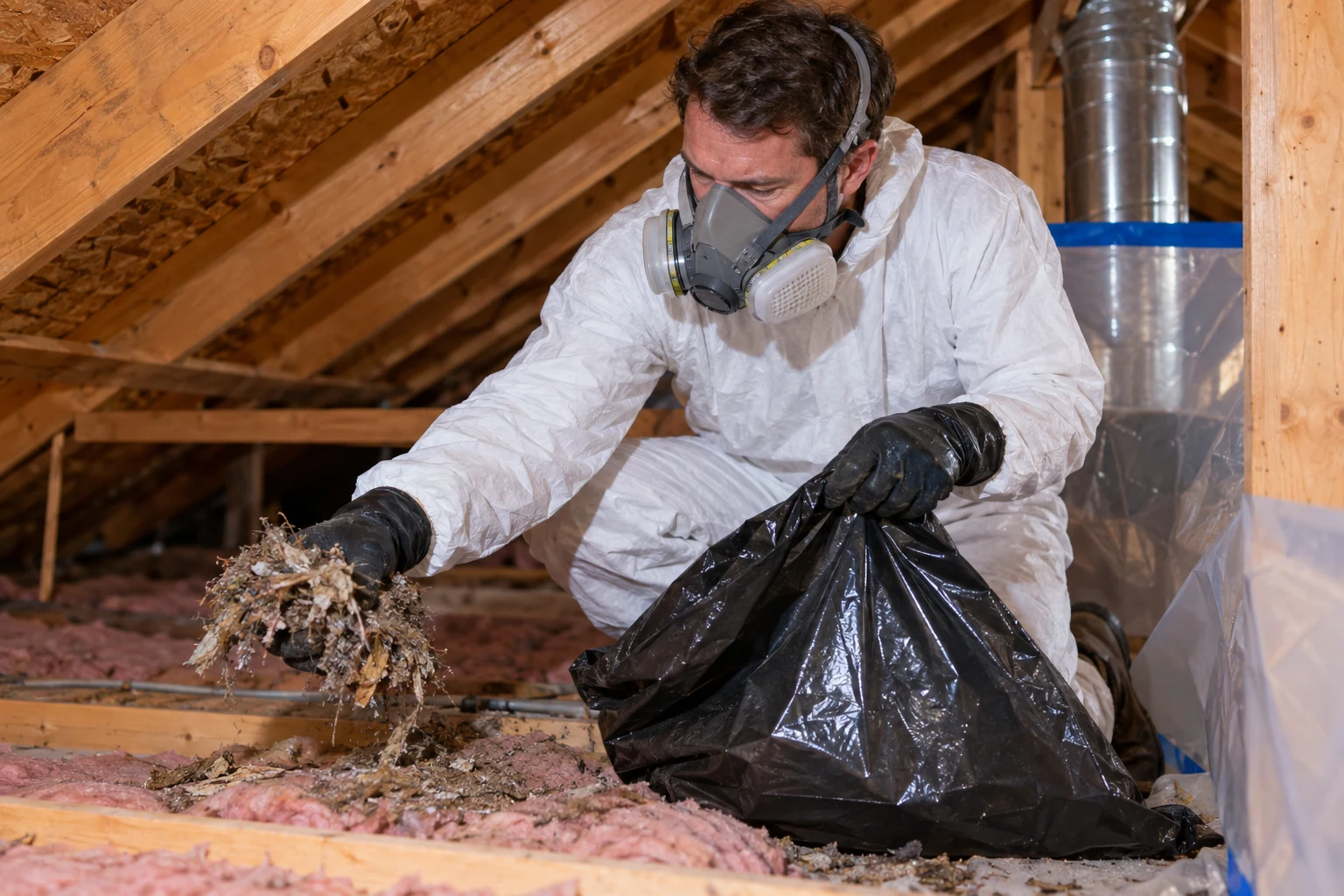
For Rodent Damage Repair, tell us the property type, the affected area, the timing, and any access or household constraint.