Safe access first
Consider heat, footing, stored items, insulation, wiring, and the path into the attic.
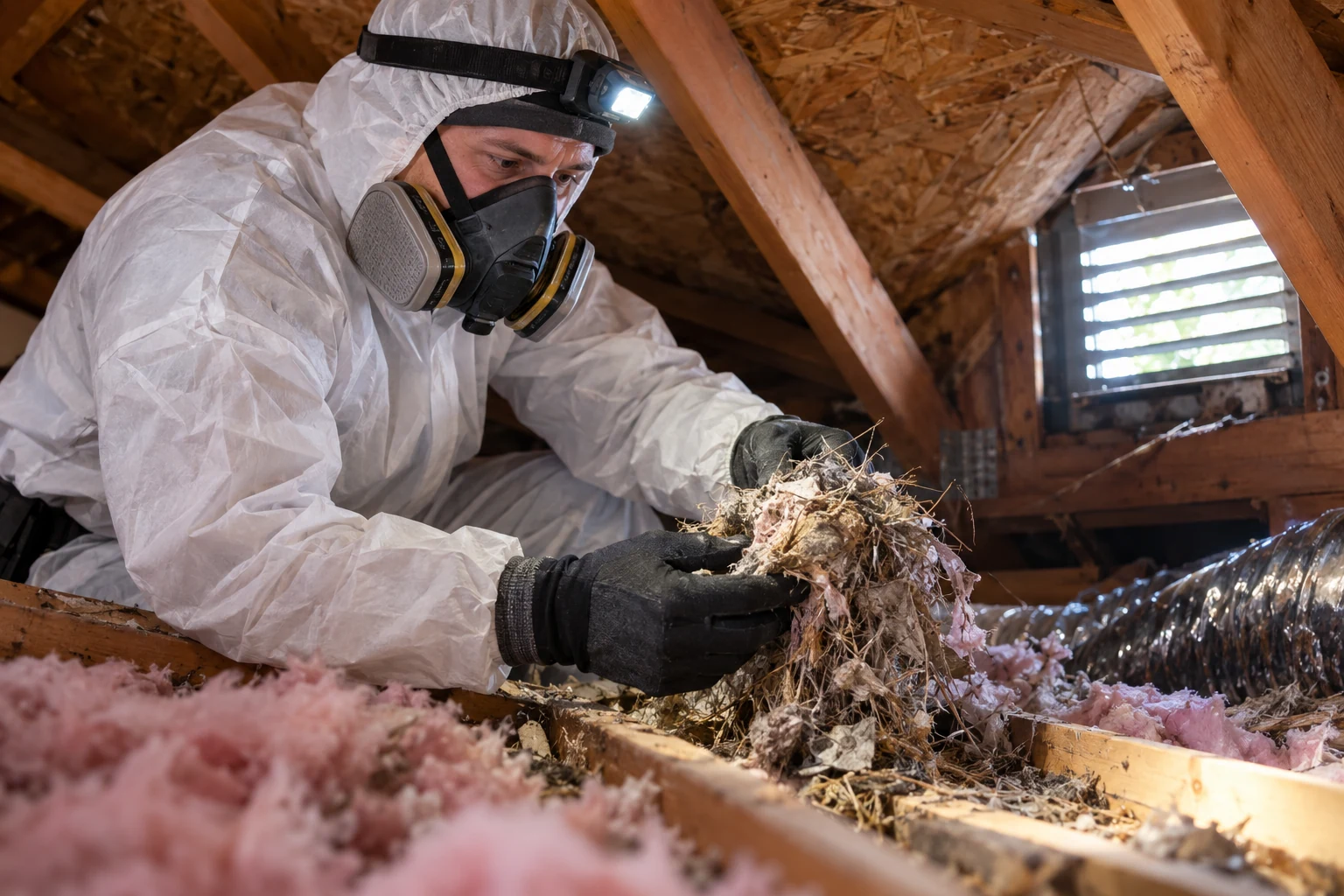
An attic can hide a rodent problem for a long time. Scratching at night, disturbed insulation, nesting material, or a persistent odor may be the first clues. Attic work needs a different plan from a kitchen or garage because access, heat, wiring, insulation, and contamination all matter.
Consider heat, footing, stored items, insulation, wiring, and the path into the attic.
Read vents, soffits, fascia, penetrations, and disturbed insulation together.
Plan how access and cleanup affect the occupied rooms below.
Separate animal removal from insulation, electrical, and remediation decisions.
For Attic Rodent Removal, the visit connects the reported signs to the building conditions that can sustain them.
We treat the attic as part of the building envelope. The visit connects what is happening above the ceiling with roofline gaps, vents, soffits, utility penetrations, and the rooms below.
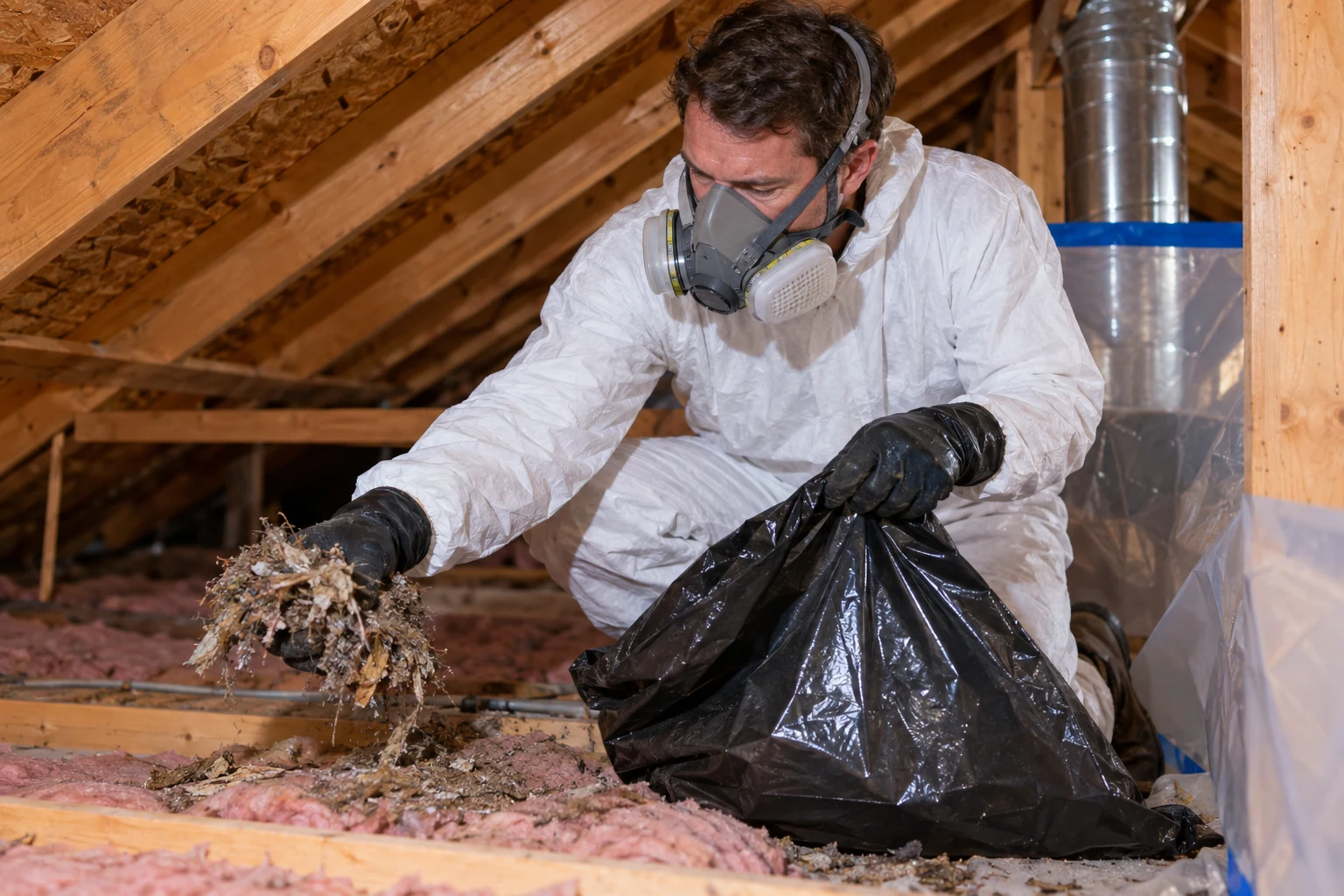
Noise overhead is only the visible part of an attic problem. The service explains how activity entered, where it settled, and what the space needs after removal.
The Attic Rodent Removal visit follows the evidence most relevant to this service, then sets the next action in a clear order.
We begin by understanding how the attic is reached, what is stored there, and whether anyone in the home has sensitivities or access restrictions.
We look for droppings, nesting, rub marks, disturbed insulation, odors, and paths toward roofline or service penetrations.
The recommendation may pair removal with targeted sealing or a repair referral where the opening, wiring, or insulation needs specialized work.
We identify what can be addressed during control work and what should be handled by a qualified insulation, electrical, or building professional.
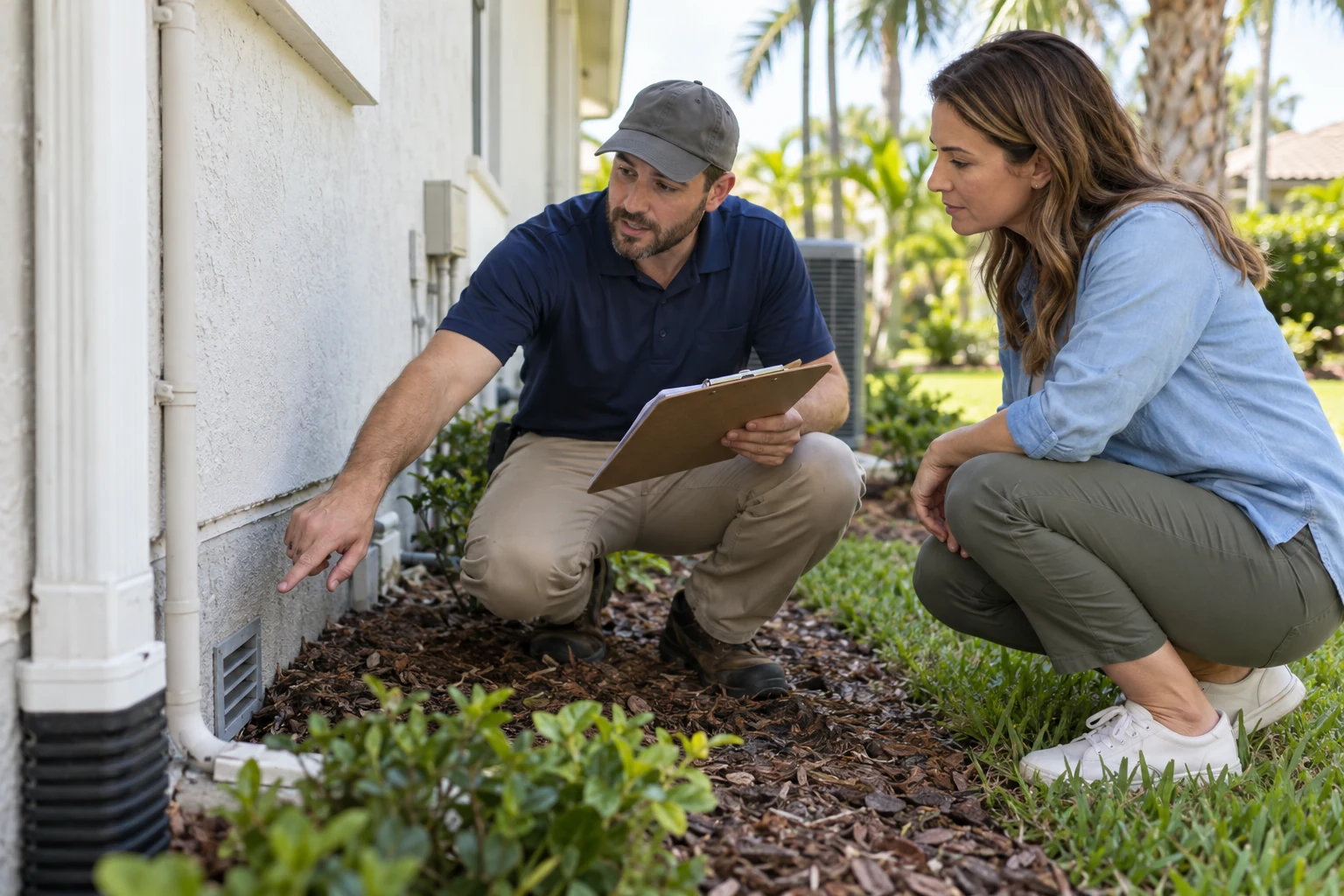
Attic service is complete only when the route and the affected space are both understandable.
Attic activity can travel along insulation, rafters, ducts, and roof transitions before becoming visible below.
This page is for scratching, odor, nesting, disturbed insulation, or repeated overhead movement where roofline access and attic conditions matter.

The attic is a working environment with its own safety and restoration boundaries.
Heat, clearance, flooring, stored items, and electrical concerns set the limits.
Fresh droppings, odor, nesting, and disturbed insulation help set the response.
Vents, soffits, fascia, and utility penetrations can create different repair needs.
Insulation and hidden voids may require a separate restoration plan.

A few details help keep an overhead service visit controlled and focused.
Note the room below, time, direction, and whether movement follows a pattern.
Move fragile items away from the entry without disturbing attic evidence.
Share occupants, pets, allergies, and rooms needing extra protection.
Avoid sweeping, vacuuming, or sealing the roofline before assessment.
Distinguish the animal problem from the condition of the attic itself.
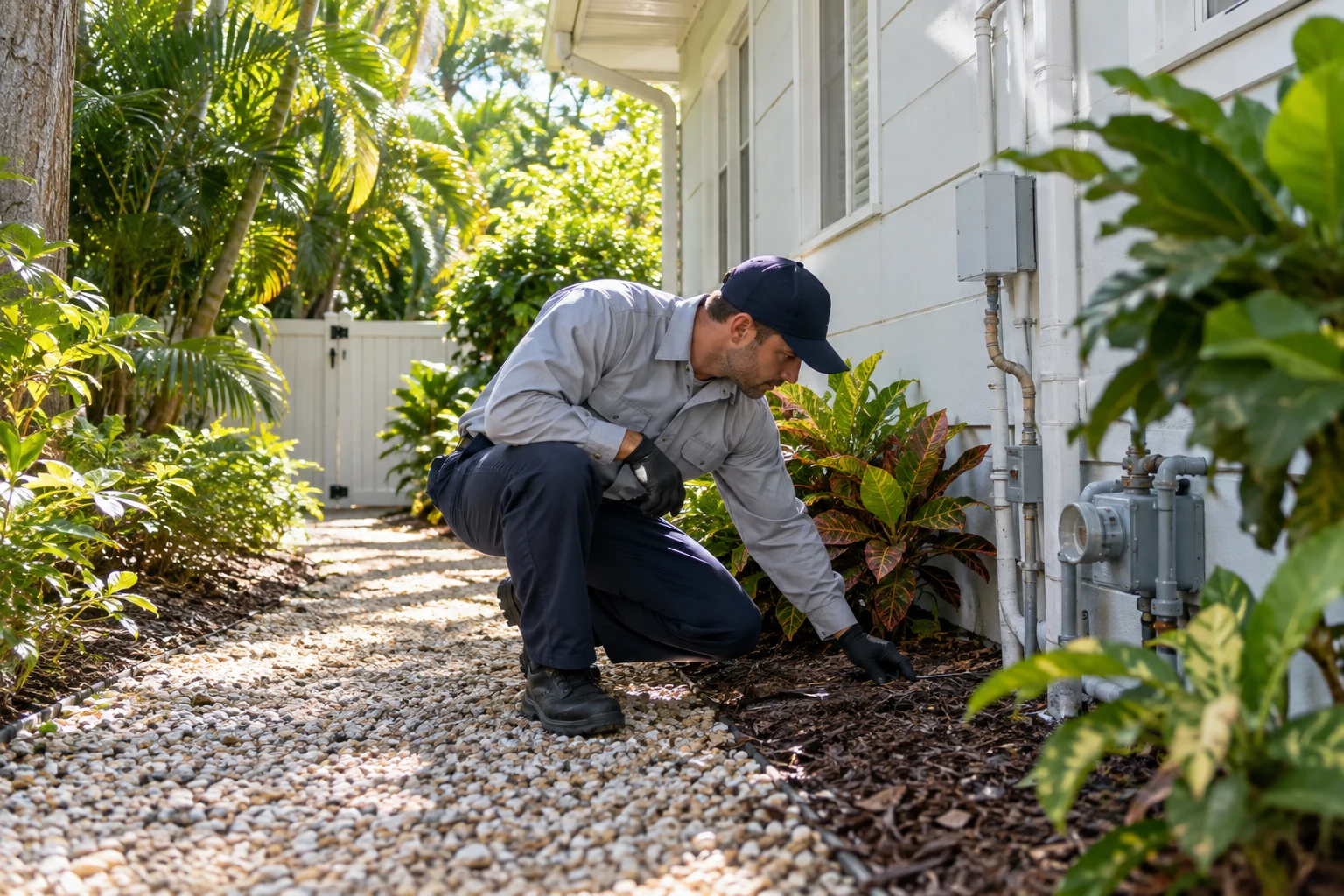
Attic issues can reappear when weather, roof work, or hidden materials change.
New movement may indicate an unaddressed opening or a second route.
Porous insulation or a hidden void may still hold the source.
New vents, flashing, or repairs can create or close access.
The route may have moved into a wall or occupied room.
Share the room below the noise, timing, odor or residue, and whether the attic has safe accessible flooring.
Attic work is easier to plan when the space and the rooms below are described together.
Name the room below and whether movement travels
Note heat, footing, storage, wiring, and safe entry
Record disturbed insulation, nesting, odor, or staining
That depends on the access route, the condition of the attic, and the work planned. We can discuss occupied-room restrictions before scheduling.
Not automatically. Insulation replacement or remediation depends on the material, the extent of contamination, and the appropriate restoration method.
Gaps at vents, soffits, fascia, roof intersections, and utility penetrations can create access. The inspection determines which openings are relevant on your property.
Avoid disturbing the material yourself. Note where the odor is strongest and request an inspection so the source and level of activity can be assessed.
For Attic Rodent Removal, describe the affected space, the timing, and what has already changed so the first conversation is useful.
Describe the problem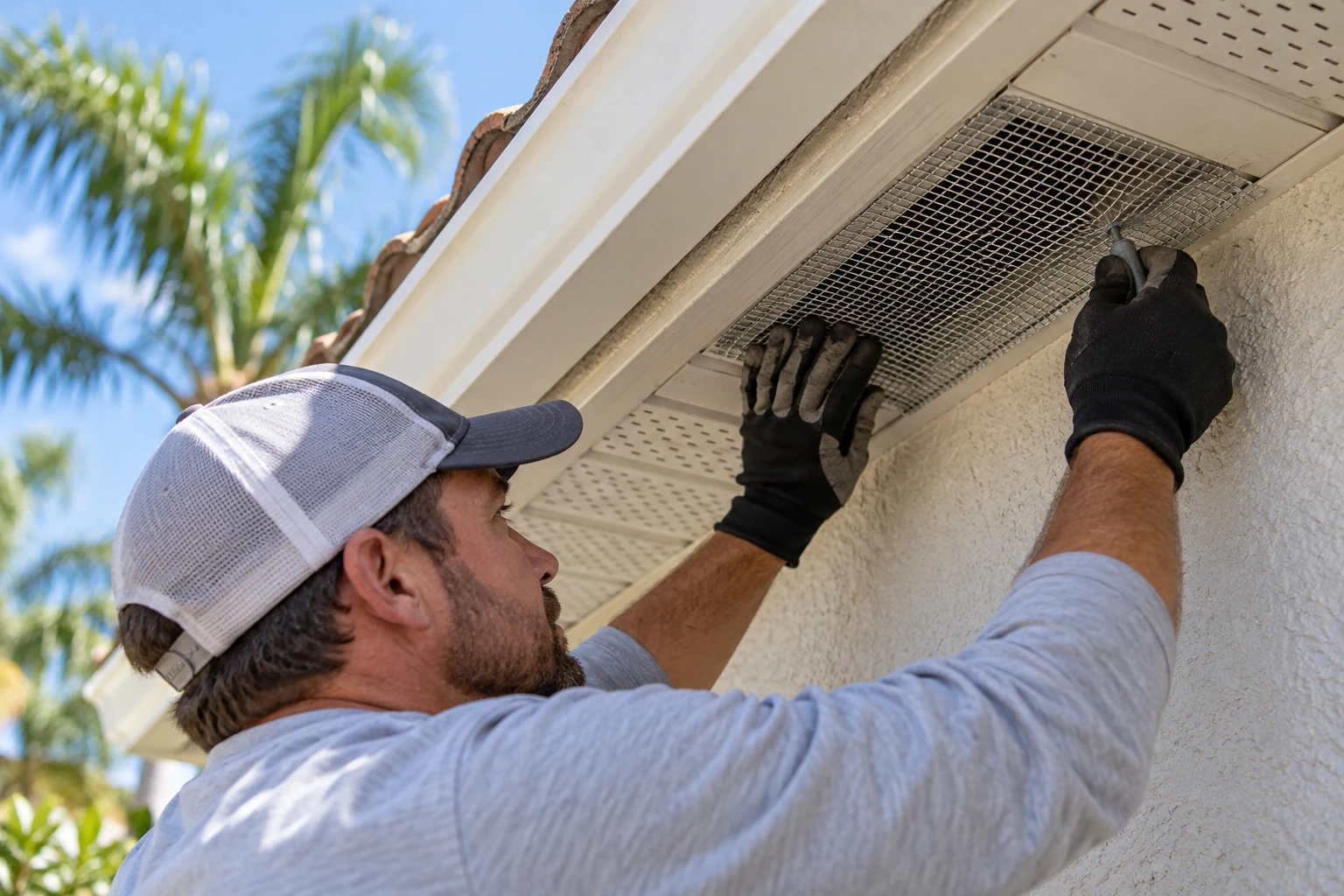
See how this related option supports Attic Rodent Removal planning.
View service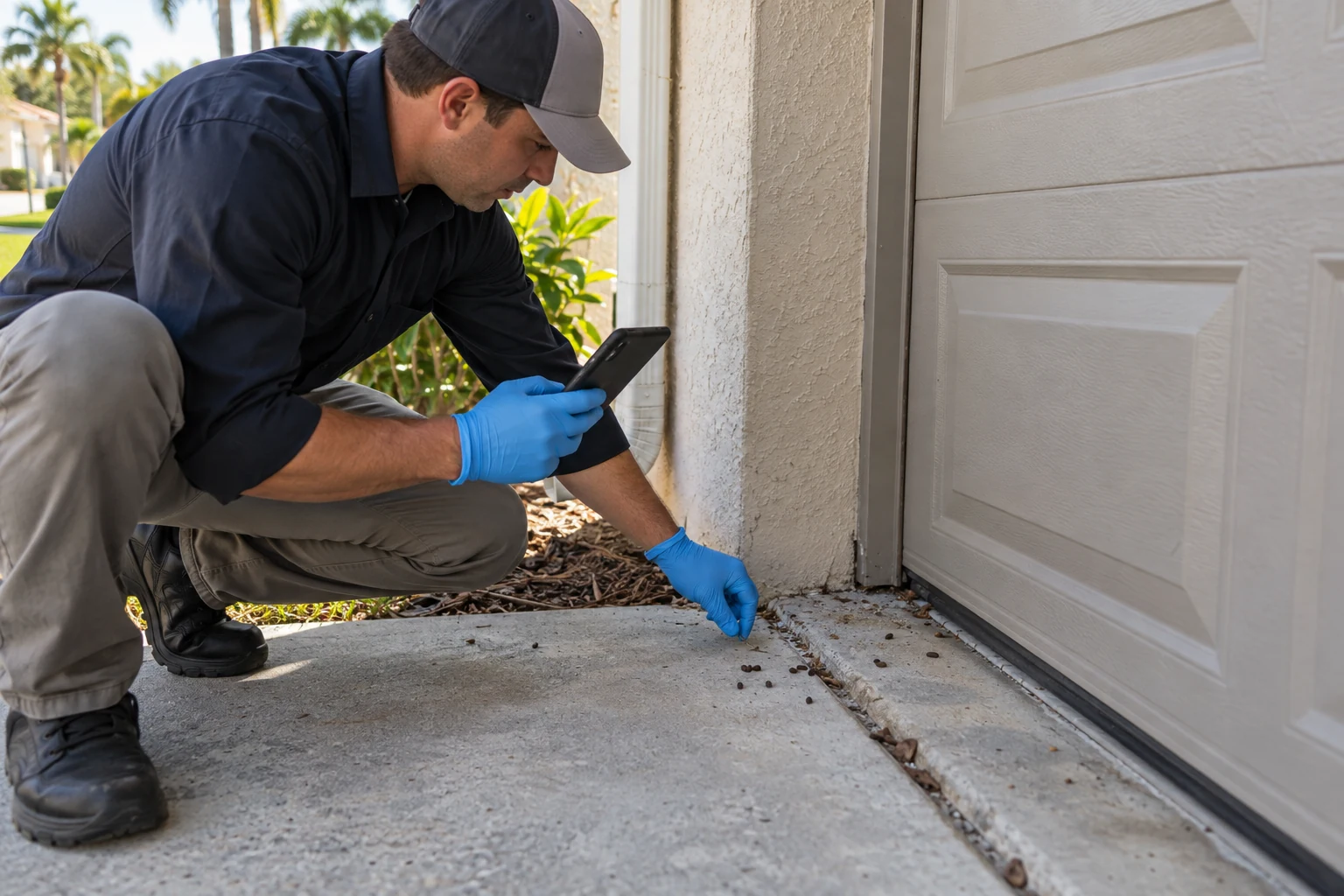
See how this related option supports Attic Rodent Removal planning.
View service
See how this related option supports Attic Rodent Removal planning.
View service
See how this related option supports Attic Rodent Removal planning.
View service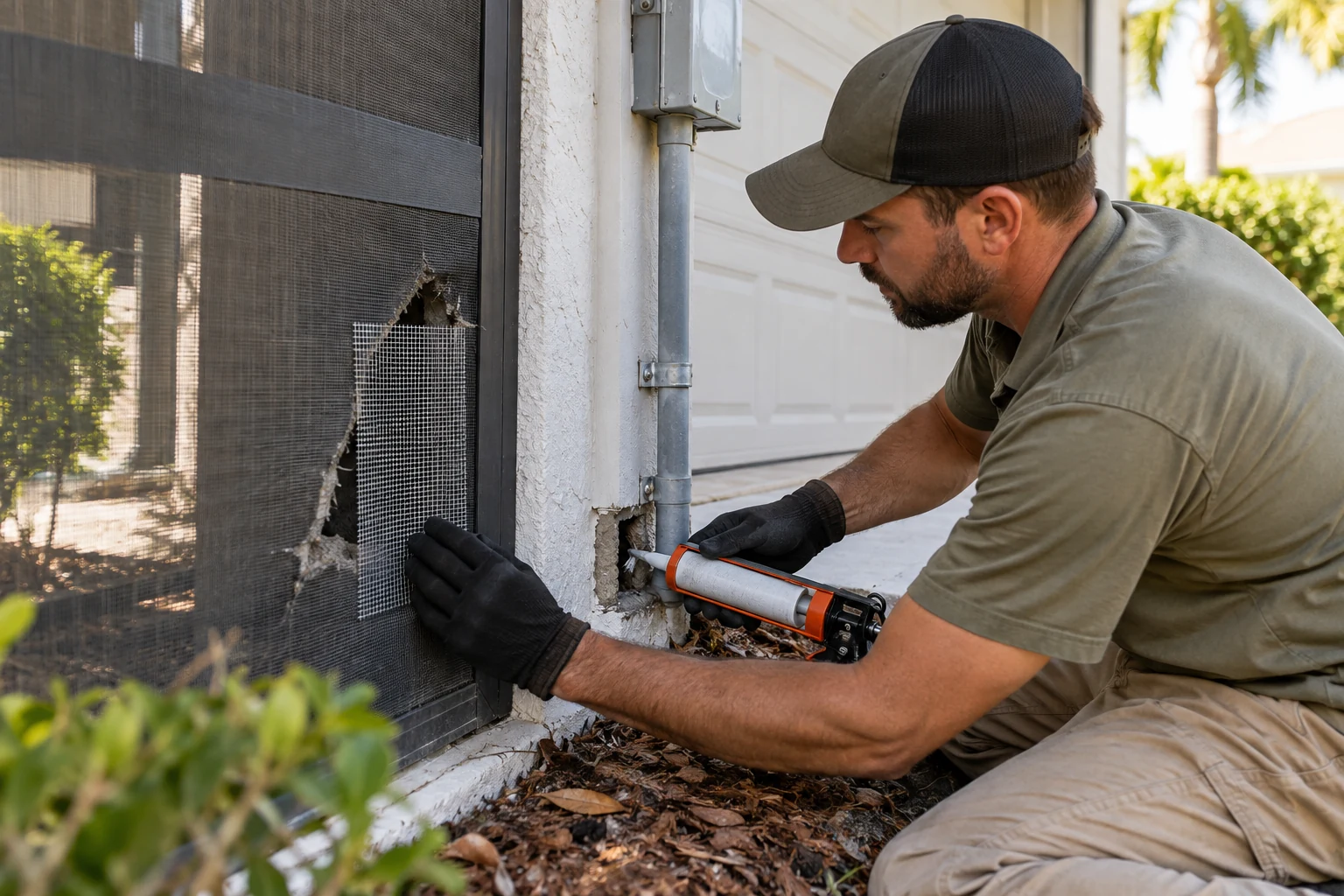
For Attic Rodent Removal, tell us the property type, the affected area, the timing, and any access or household constraint.