Route mapping
Connect rooflines, garages, landscaping, and interior signs before selecting a control step.
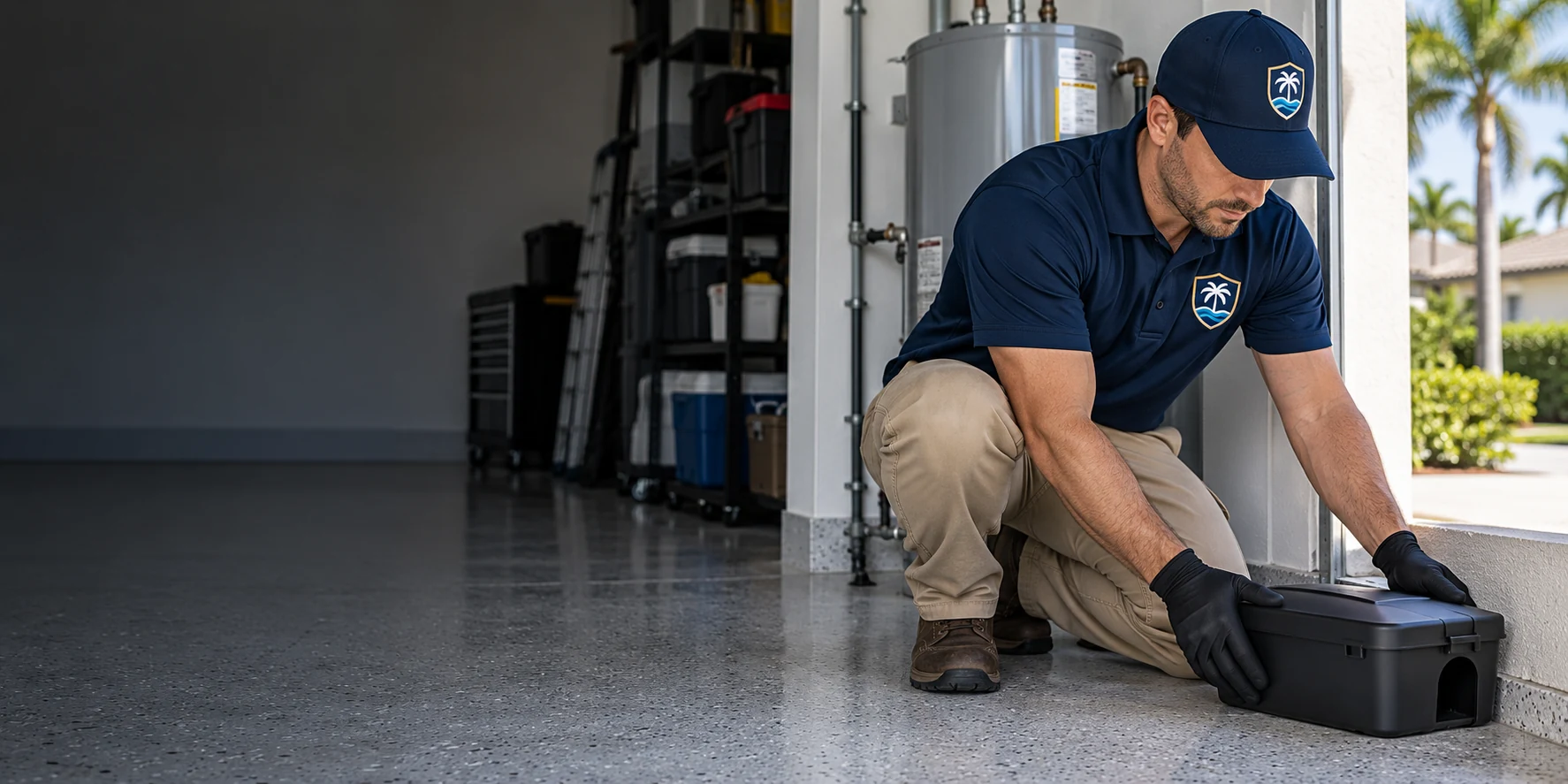
Rat activity can be easy to underestimate. A few droppings near a garage or a scrape along the roofline may point to a larger route through the structure. Our service connects the evidence you can see with the places a rat may be entering, nesting, or feeding.
Connect rooflines, garages, landscaping, and interior signs before selecting a control step.
Use droppings, rub marks, gnawing, and timing to separate current rat activity from an old trace.
Account for food, water, shelter, and access around the property.
Know what to watch after removal and which opening still needs attention.
For Rat Control And Removal, the visit connects the reported signs to the building conditions that can sustain them.
The useful question is not simply how to catch a rat. It is how the rat is reaching the property, what conditions are keeping it there, and what needs to change so the same route does not become active again.
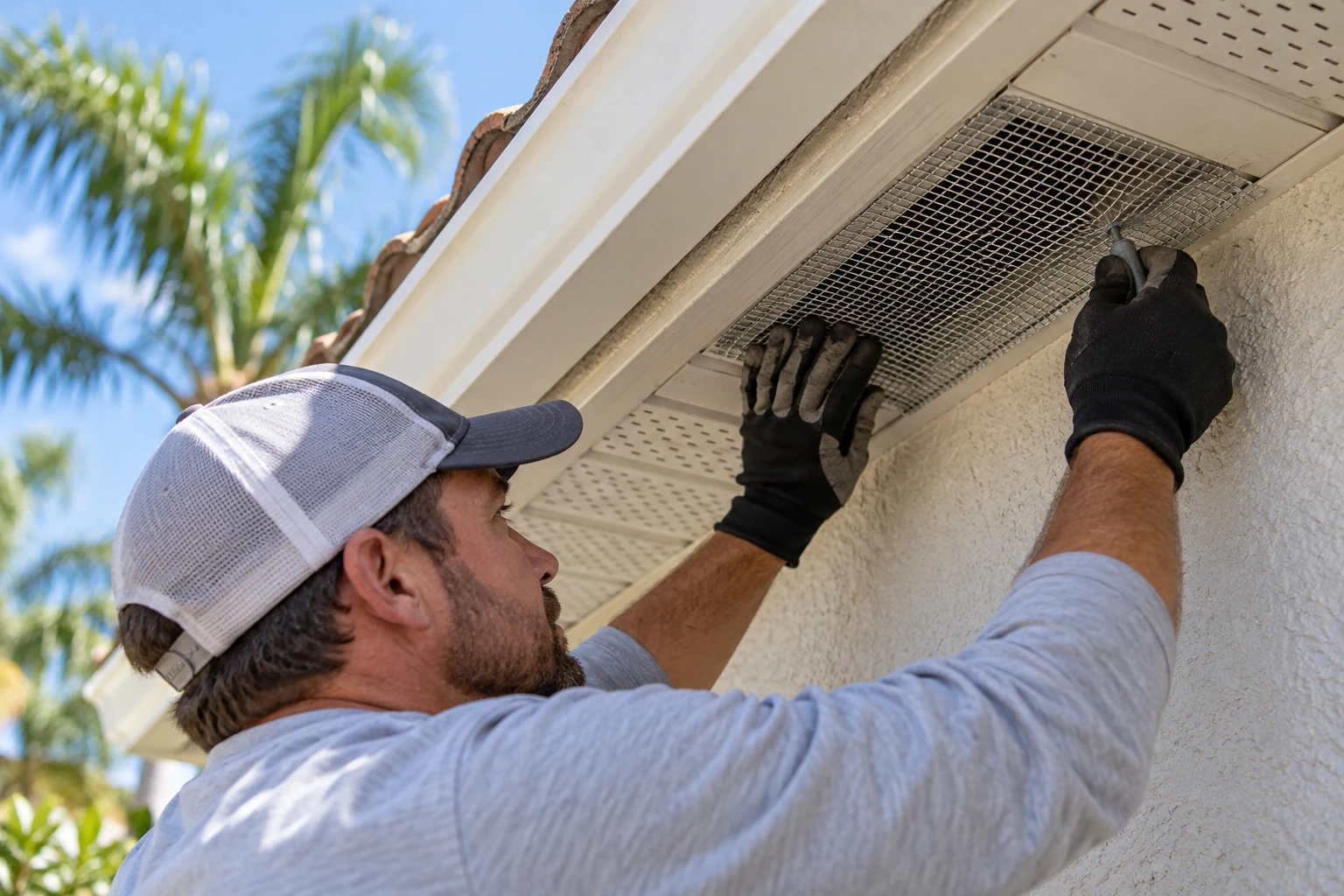
Rats often use a chain of outdoor and structural conditions. The useful plan follows that chain so removal does not end at the first visible sign.
The Rat Control And Removal visit follows the evidence most relevant to this service, then sets the next action in a clear order.
We start with the rooms, noises, droppings, gnaw marks, odors, and timing you have observed. That story helps us prioritize the inspection.
We check likely travel paths around the exterior and interior, including roof transitions, garages, voids, storage areas, and utility openings.
The plan may combine targeted capture, removal, exclusion work, and attractant reduction. The exact sequence depends on the evidence found.
Before the visit closes, we explain what was found, what still needs attention, and how to watch for renewed activity.
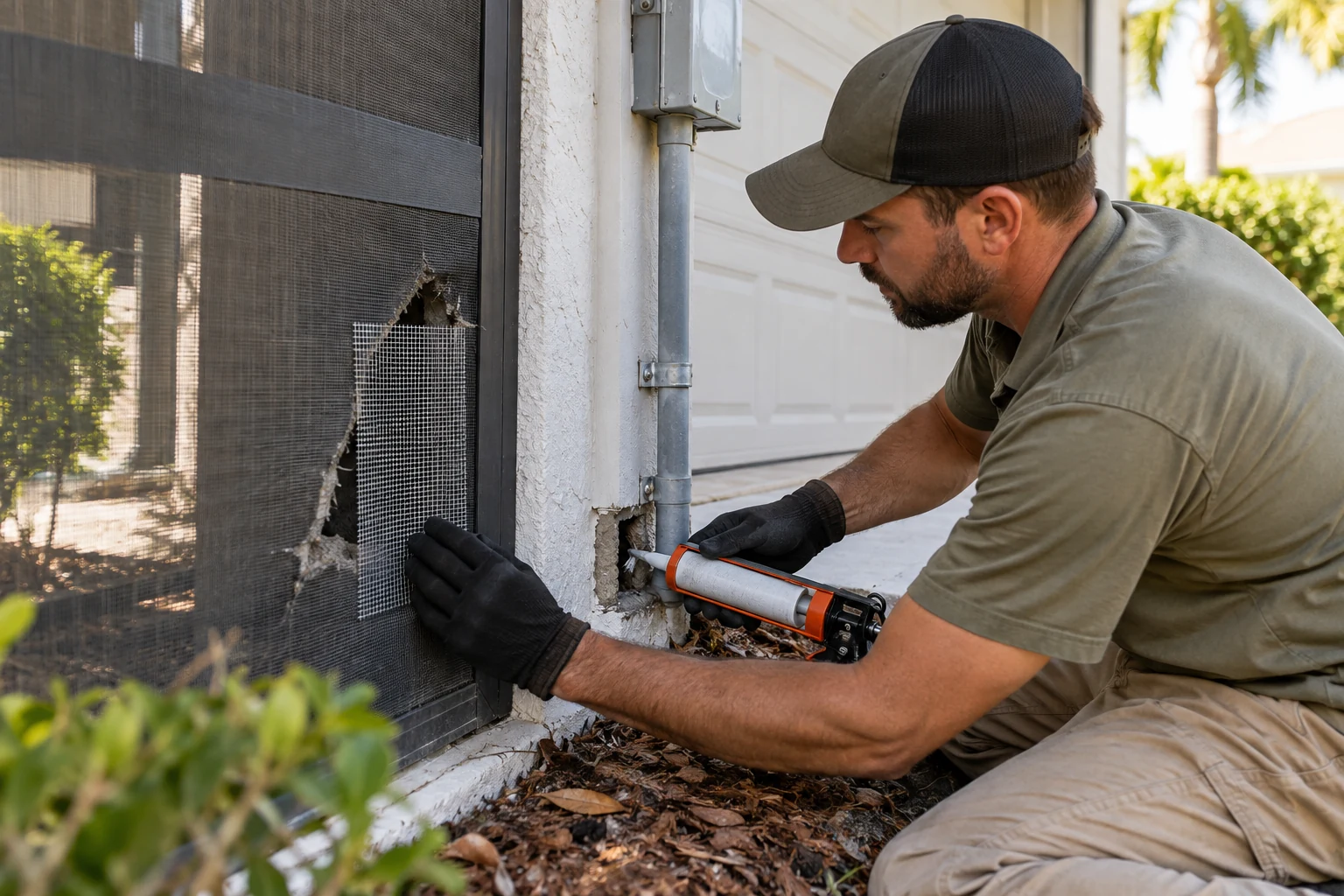
The closeout is about decisions: what was active, what supports it, what can be corrected now, and what should be watched next.
A rat may move between a roof edge, garage, garden, and kitchen. The first visit is organized around those handoffs.
This service is most useful when activity is recurring, a larger rodent has been seen, or outdoor signs keep leading back toward the structure.

A rat route has more variables than a single indoor trap location.
The height and direction of access determines where evidence should be checked first.
Repeated signs and nesting indicators change the follow-up conversation.
Removing an attractant may matter as much as closing a gap.
An accessible garage gap and a hidden roof penetration need different next steps.

The most useful preparation preserves evidence and explains the property’s routine.
Note the exact room, garage corner, or exterior edge.
Protect pet food and trash while leaving the travel area undisturbed.
Share burrows, tree contact, water, deliveries, or recent yard work.
Tell us about pets, children, locked areas, and spaces that cannot be entered.
A rat service should end with a property-specific handoff rather than a generic “keep watching.”
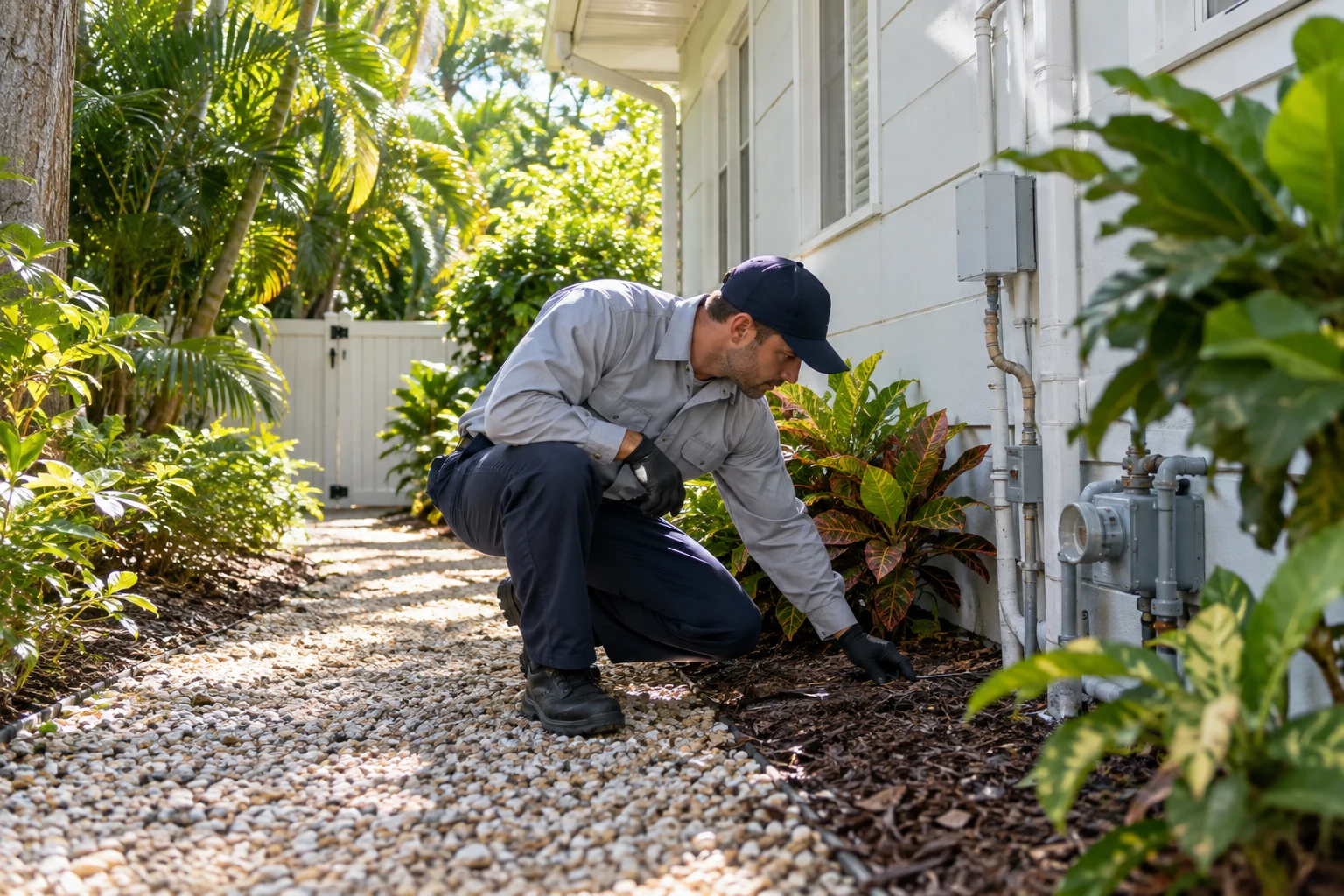
New evidence can point to a different part of the property or a different service need.
A new kitchen, attic, or wall-space sign changes the inspection boundary.
More burrows, rub marks, or feeding evidence can indicate a broader route.
A loose screen, door sweep, or roof detail may reopen the path.
Repeated fresh evidence calls for another review.
Describe the largest sign, timing, nearest exterior condition, and steps already tried.
A short record helps distinguish a passing visitor from an established route that needs follow-through.
Note where the rat was seen and which way it moved
Record burrows, tree contact, trash, water, or stored material nearby
Look for fresh evidence at the same transition, not only in the original room
Rat evidence can include larger droppings, gnawing, greasy rub marks, burrows, or heavier movement sounds, but identification is best made from the pattern of evidence rather than one sign.
Not always. A complete plan also looks for entry points, nesting conditions, and available food or water so the property is less attractive after removal.
Tell us about pets, children, and any restricted areas before the visit. The service plan should account for how those spaces are used and accessed.
Note where you have seen signs, secure accessible food and trash, and avoid disturbing nests or contaminated material until the inspection is complete.
For Rat Control And Removal, describe the affected space, the timing, and what has already changed so the first conversation is useful.
Describe the problem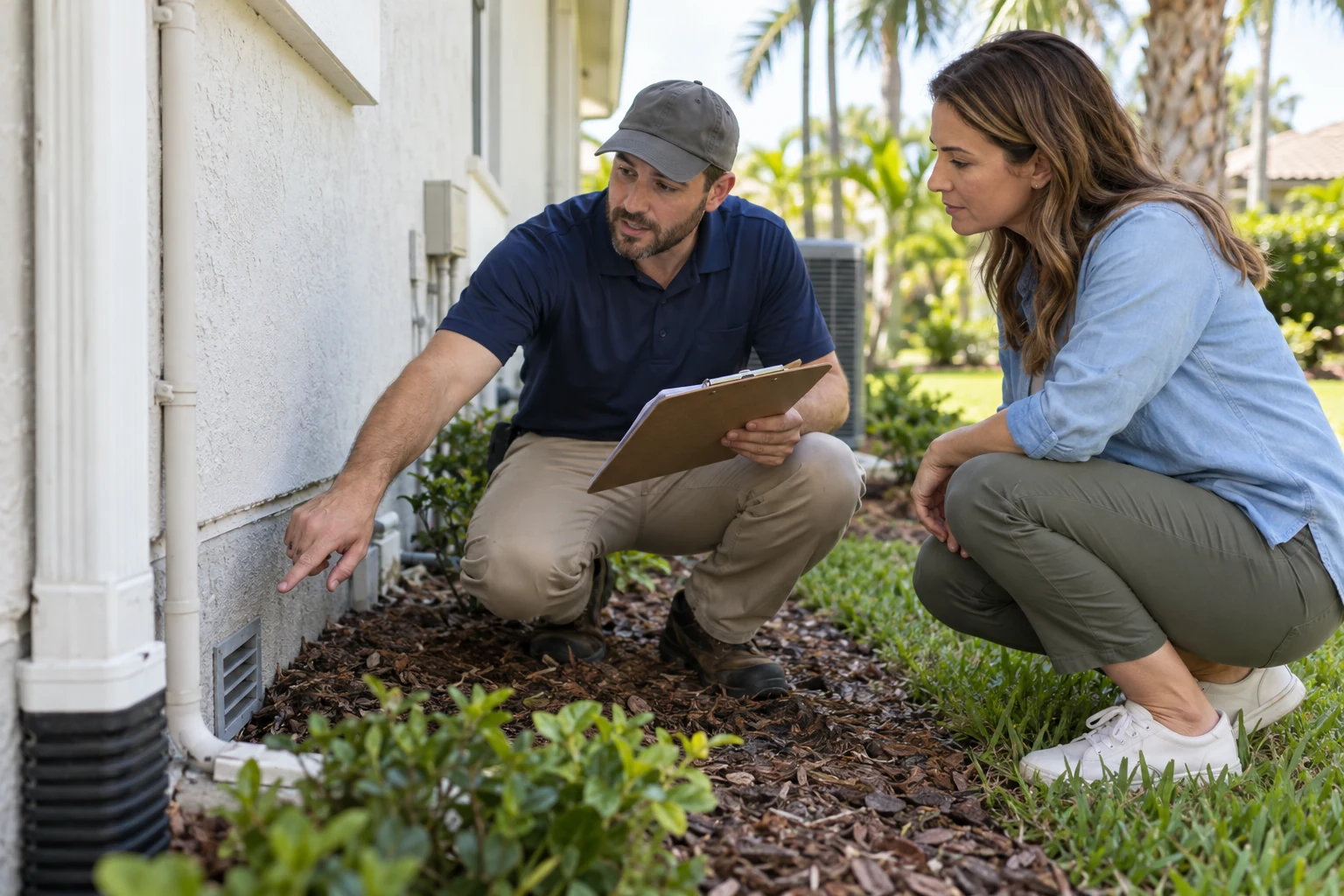
See how this related option supports Rat Control And Removal planning.
View service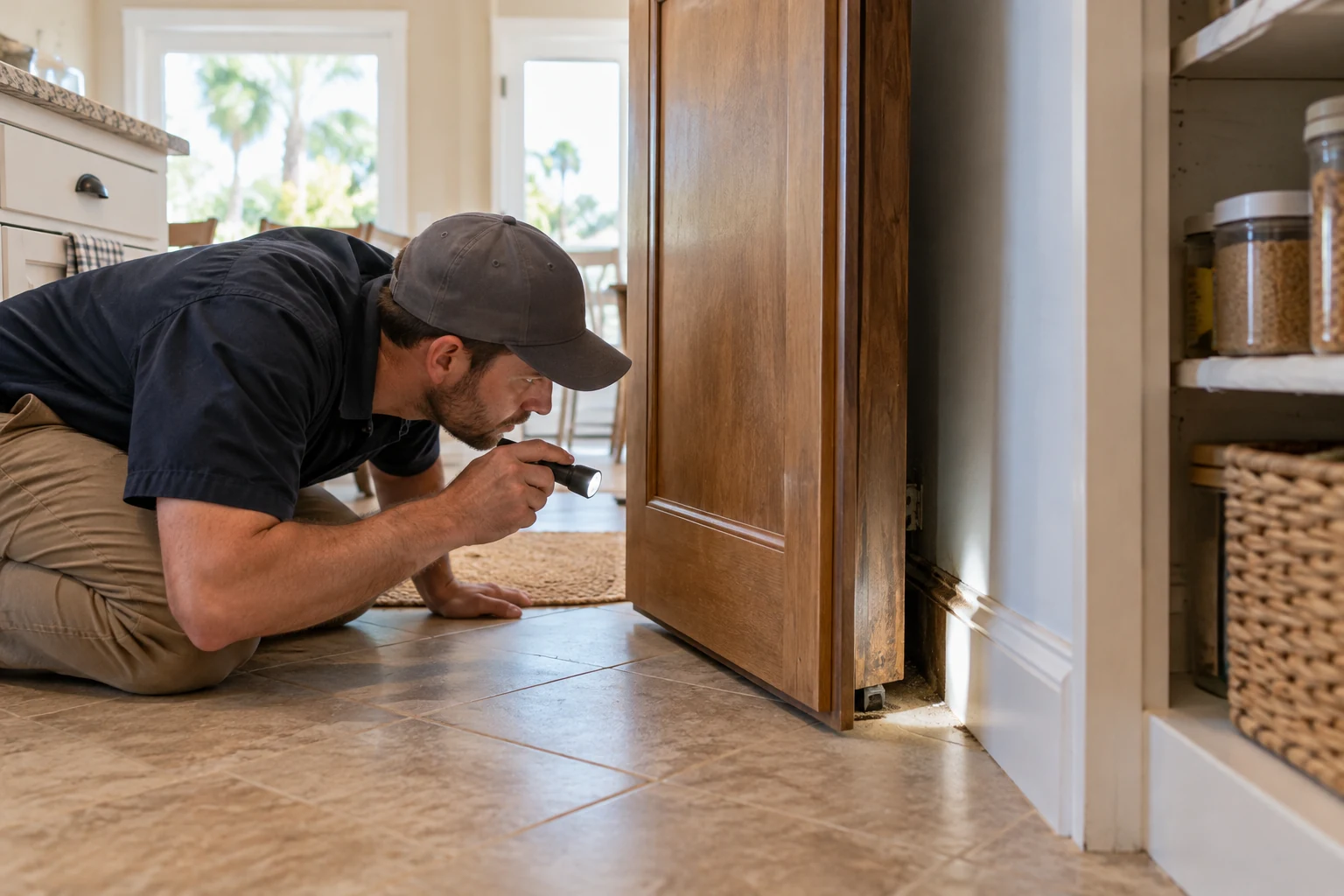
See how this related option supports Rat Control And Removal planning.
View service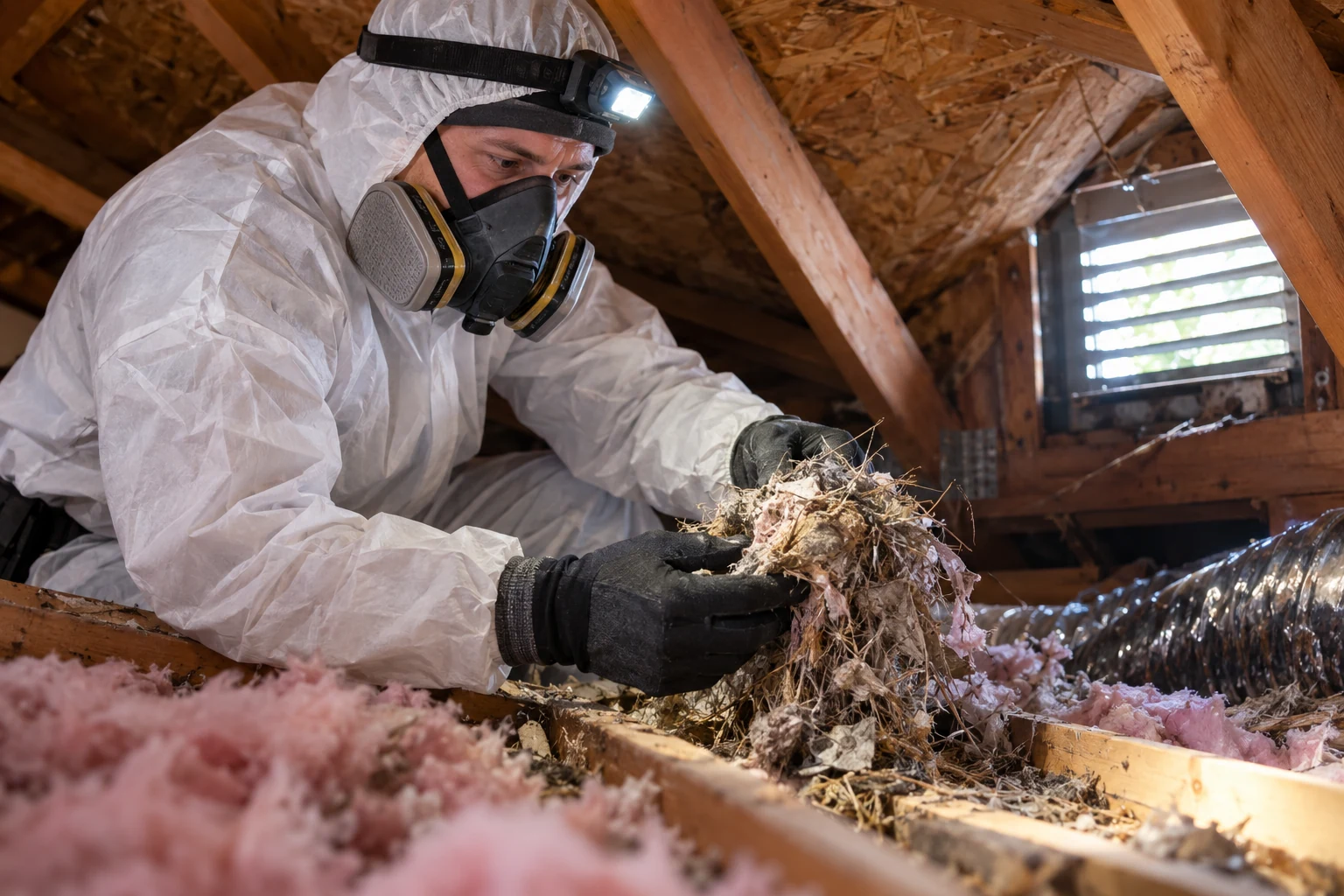
See how this related option supports Rat Control And Removal planning.
View service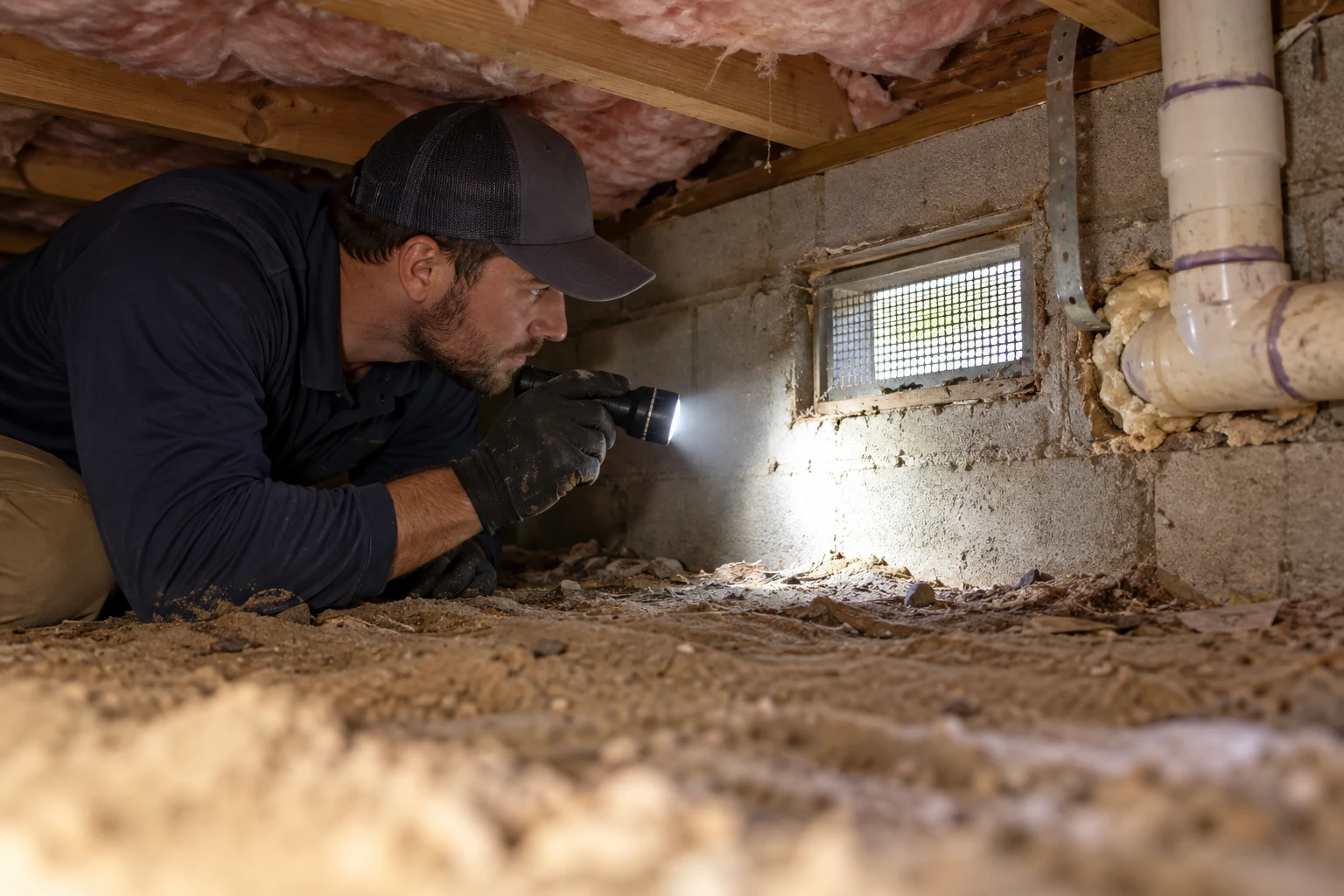
See how this related option supports Rat Control And Removal planning.
View service
For Rat Control And Removal, tell us the property type, the affected area, the timing, and any access or household constraint.