Access assessment
Review clearance, ventilation, moisture, stored material, and entry conditions before entering.
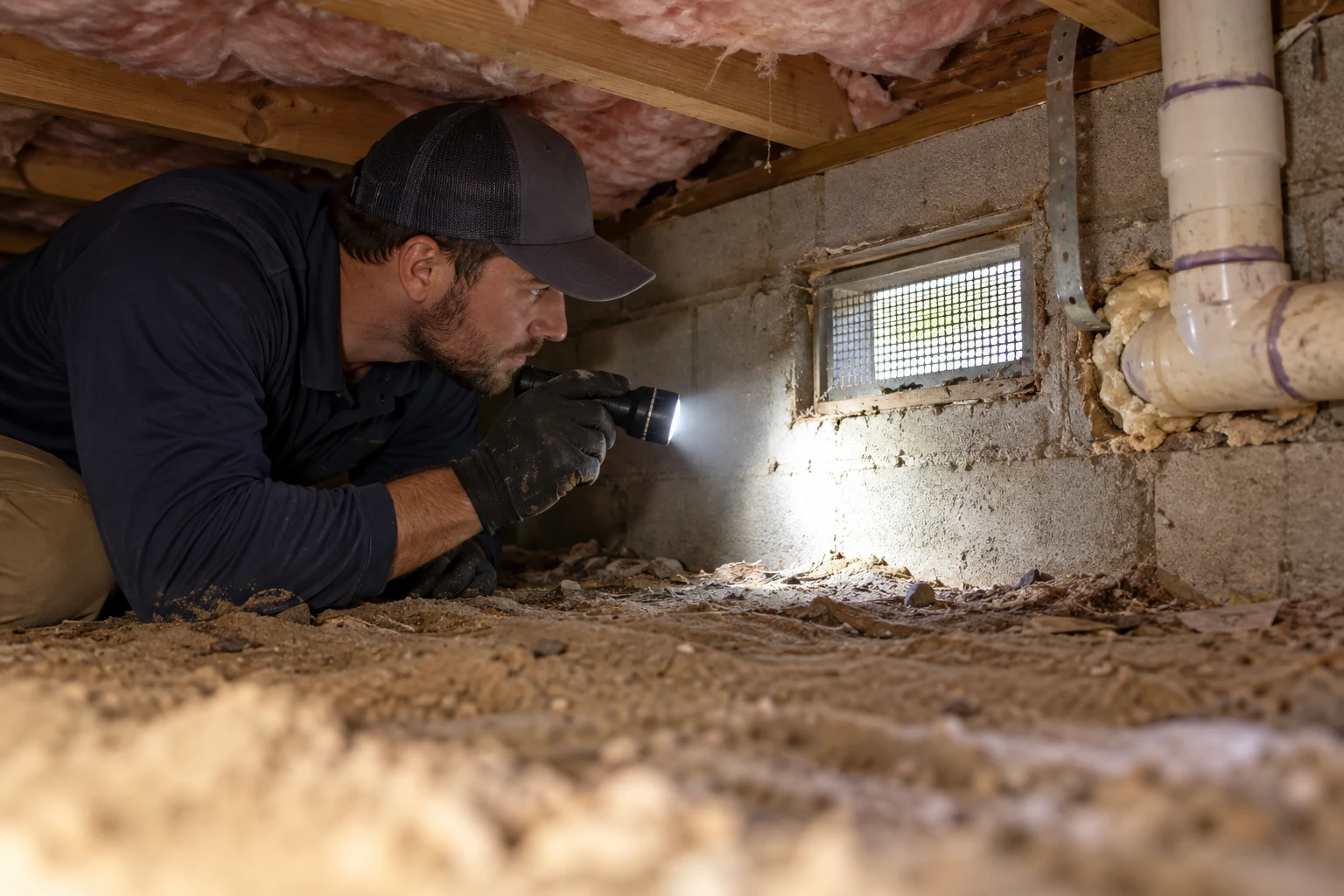
Crawl spaces can make rodent evidence difficult to see and easy to ignore. Droppings, nesting, odor, damaged vapor barriers, or movement near ductwork can affect the rooms above. A useful crawl-space visit considers both the concealed space and the conditions that connect it to the home.
Review clearance, ventilation, moisture, stored material, and entry conditions before entering.
Trace floor penetrations, ducts, pipes, and wall cavities that can carry activity upward.
Keep dampness, damaged barriers, and odor conditions in the plan.
Create monitoring cues for a space occupants cannot inspect every day.
For Crawl Space Rodent Control, the visit connects the reported signs to the building conditions that can sustain them.
The right plan depends on safe access, ventilation, moisture, insulation, ductwork, plumbing penetrations, and the way the crawl space is sealed from occupied rooms.
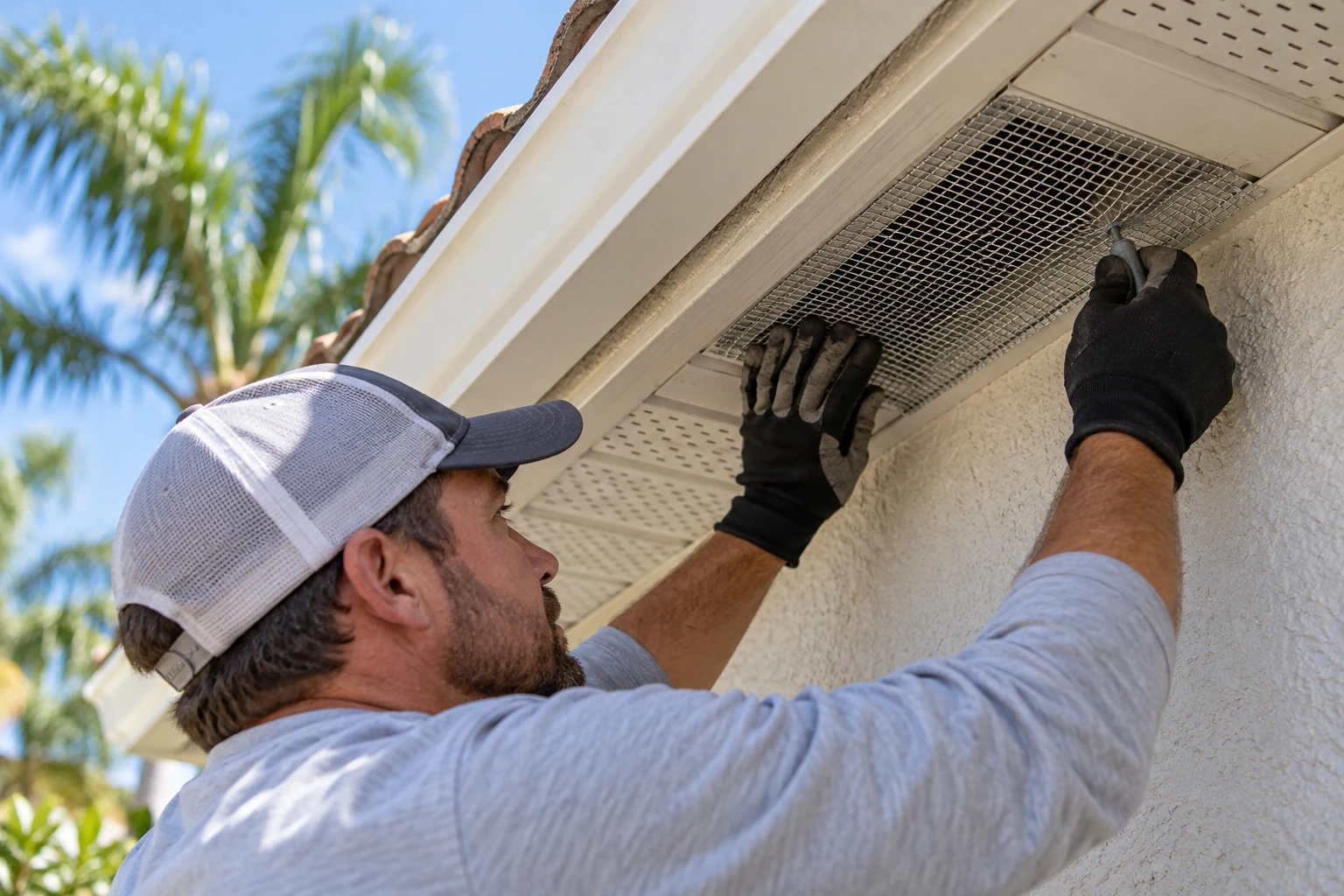
A crawl space can hide activity while affecting the rooms above. The service connects the concealed area to foundations, ductwork, utilities, and floor penetrations.
The Crawl Space Rodent Control visit follows the evidence most relevant to this service, then sets the next action in a clear order.
We review entry points, clearance, stored materials, ventilation, and any known moisture or air-quality concerns before the inspection.
We look for nests, droppings, rub marks, gnawing, and openings around foundations, pipes, ducts, vents, and service lines.
The plan may include targeted control, exclusion recommendations, housekeeping changes, and referrals for moisture, barrier, or duct repairs.
Because crawl spaces are not checked daily, we explain what to monitor from accessible points and when a return visit makes sense.
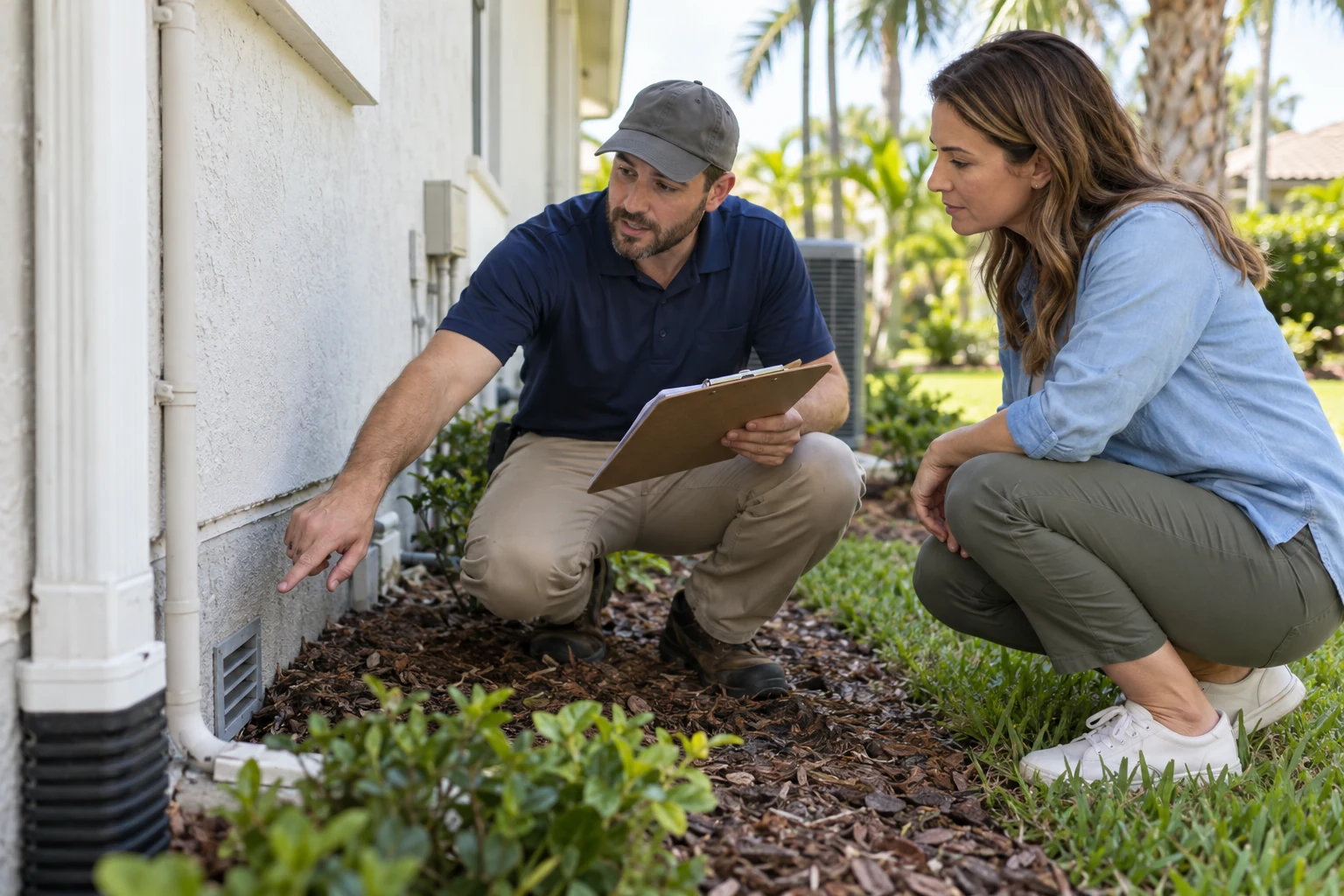
The value of this service is the connection: a concealed route, a building condition, and a follow-up plan.
Crawl-space activity can remain out of sight while affecting odors, insulation, ducts, and rooms above.
Use this service for signs below the floor, unexplained odor, damaged barriers, movement near ducts, or a foundation opening.

A below-floor visit has more than one safety and building-condition boundary.
Clearance, ventilation, water, wiring, and stored material determine the limit.
The direction changes whether exterior or interior work comes first.
A damaged vapor barrier or insulation may need a separate decision.
Accessible vents, doors, and inspection points determine follow-up.

Useful information protects the visit and prevents the concealed space from being disturbed prematurely.
Note odors, sounds, cold spots, or signs connected to the floor.
Mention standing water, leaks, storms, dampness, or drainage work.
Make the entry reachable without moving materials into the crawl space.
Flag children, pets, sensitivities, HVAC, and access concerns.
Name what is below the floor, what connects to the home, and what should be handled next.
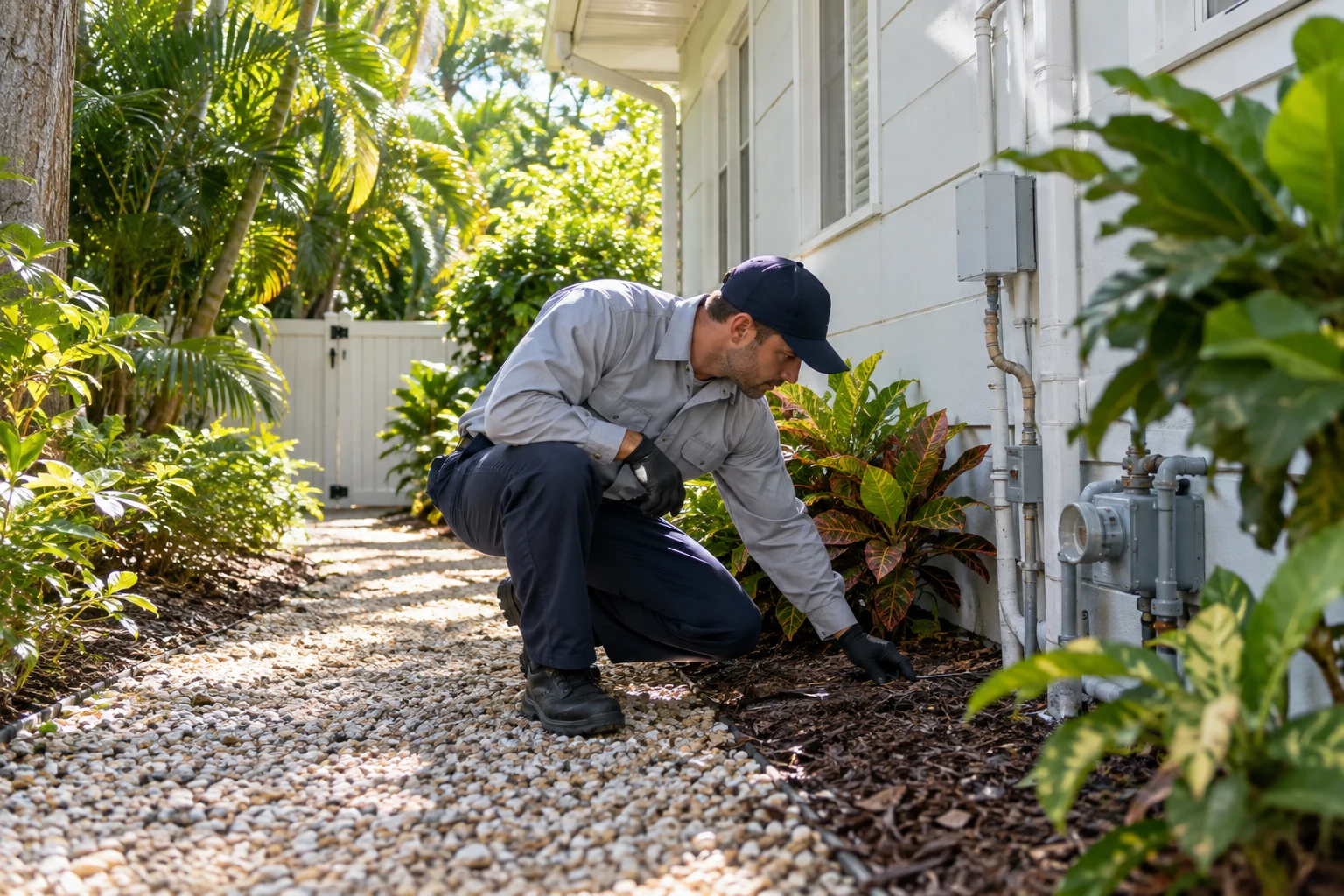
Crawl-space conditions can change after storms, plumbing work, drainage changes, and repairs.
Water or dampness can change shelter and material conditions.
The control plan may need remediation or repair.
A hidden route may now require living-space protection.
Storage, repairs, or standing water can make a previous point unusable.
Tell us which room is involved, access conditions, and whether moisture or ductwork concerns are present.
A record from the room above can be as useful as repeated entry into a difficult space.
Note odor, sound, temperature, or floor-level signs
Record clearance, water, ventilation, and stored material
Mark ducts, pipes, wiring, vents, and foundation openings
Safety depends on the access conditions and the work planned. We review household concerns and keep control recommendations specific to the actual space.
They can use openings around pipes, ducts, wiring, vents, and floor penetrations. The inspection looks for connections between the crawl space and living areas.
We document the issue and explain whether it belongs in the control scope or with a crawl-space or restoration specialist.
The right interval depends on the property, prior activity, access, and whether entry points or moisture conditions have changed.
For Crawl Space Rodent Control, describe the affected space, the timing, and what has already changed so the first conversation is useful.
Describe the problem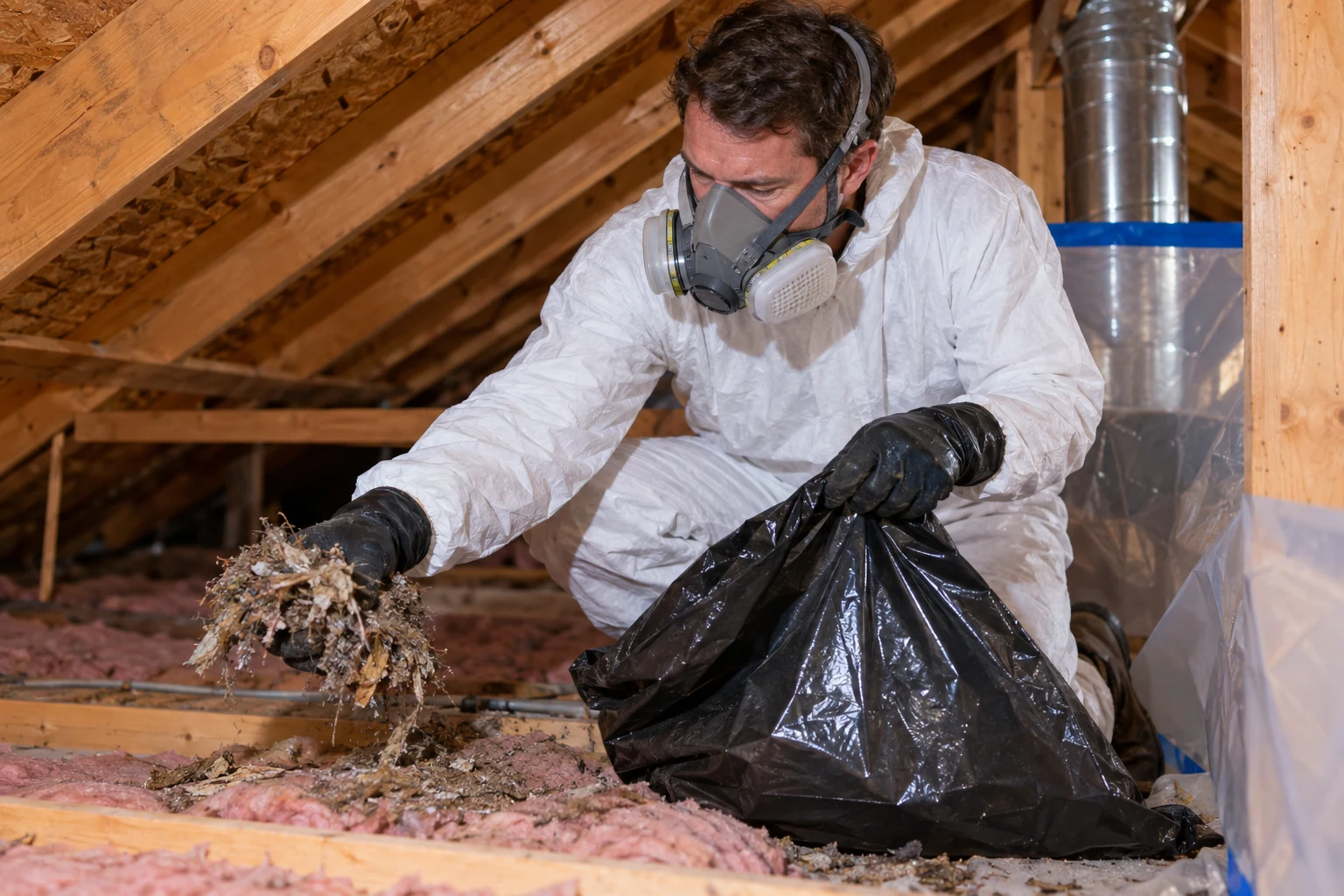
See how this related option supports Crawl Space Rodent Control planning.
View service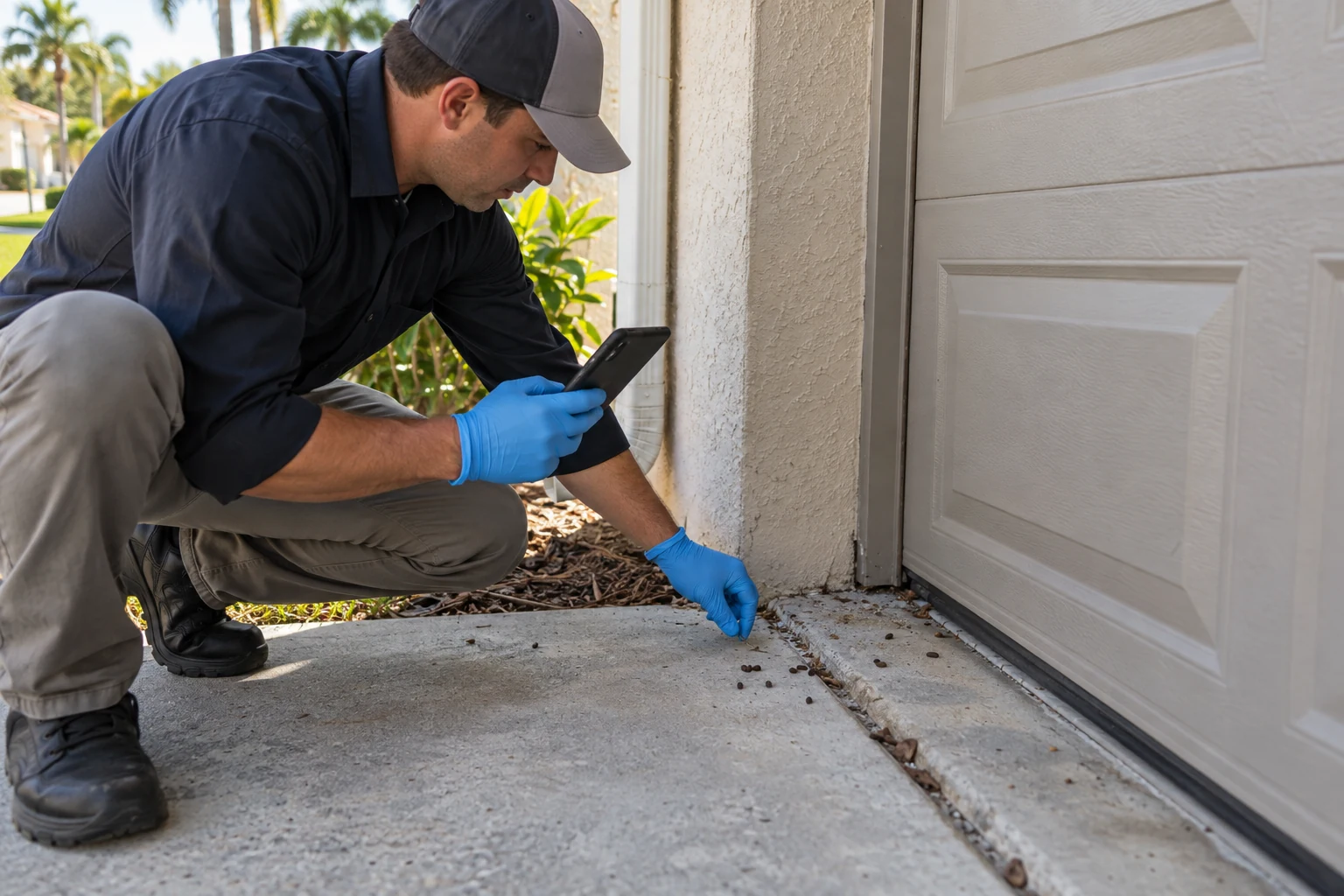
See how this related option supports Crawl Space Rodent Control planning.
View service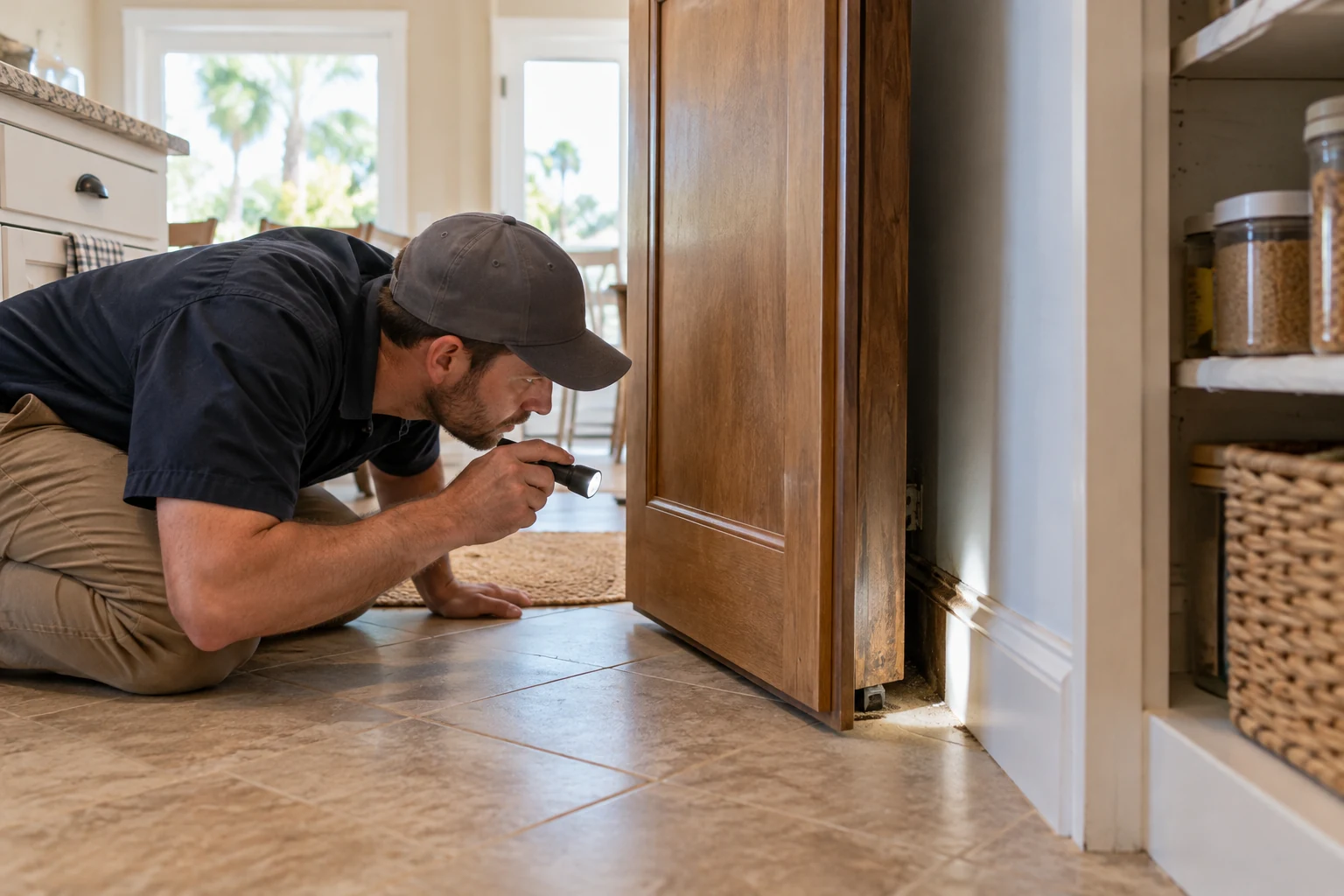
See how this related option supports Crawl Space Rodent Control planning.
View service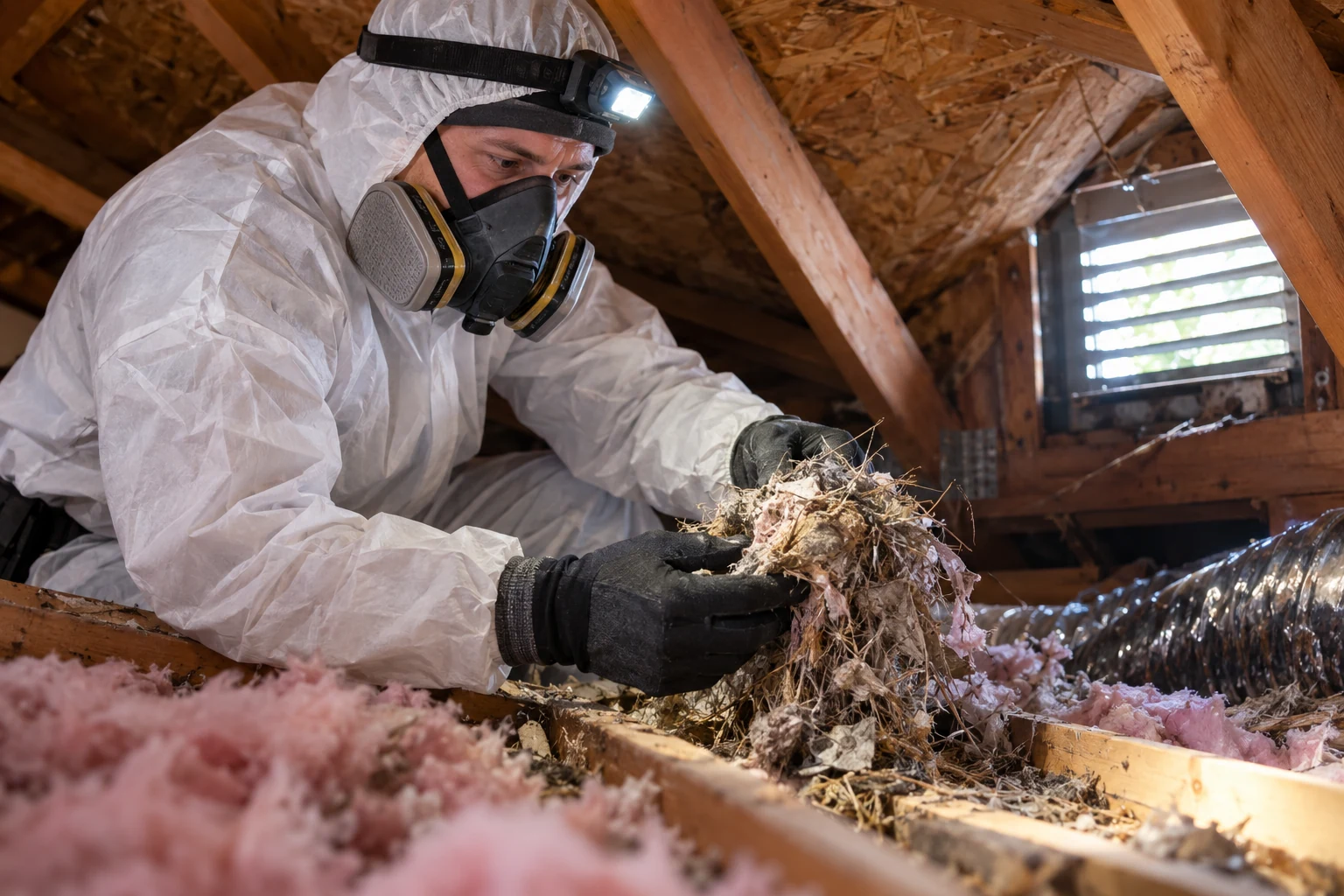
See how this related option supports Crawl Space Rodent Control planning.
View service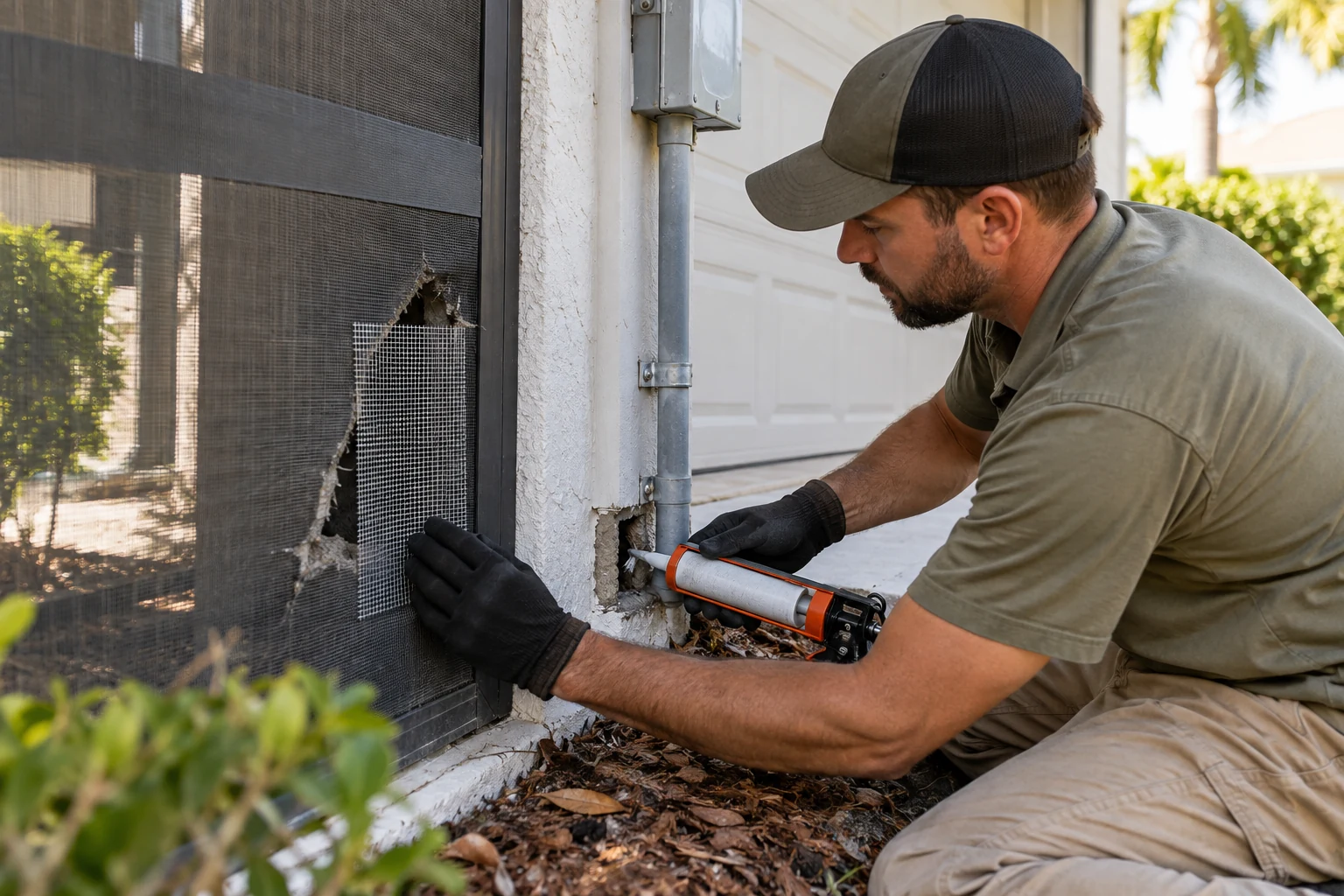
For Crawl Space Rodent Control, tell us the property type, the affected area, the timing, and any access or household constraint.