One coordinated scope
Keep inspection, removal, exclusion, cleanup, and repair decisions connected.
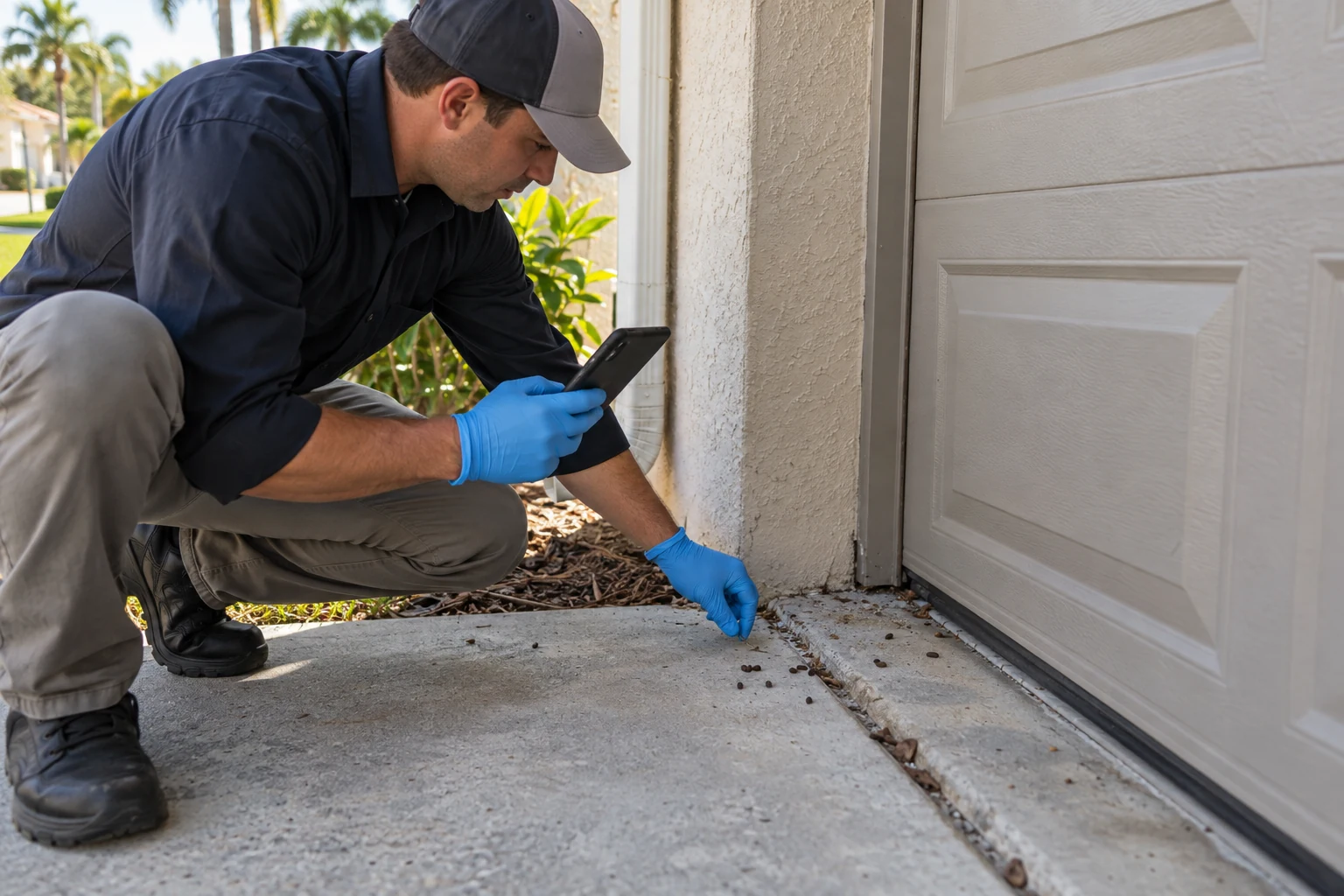
Rodent control is more than a single treatment. It is a sequence: understand the evidence, locate the route, remove active animals safely, address the opening or condition that allowed entry, and decide how the property will be monitored afterward.
Keep inspection, removal, exclusion, cleanup, and repair decisions connected.
Let the property determine what should happen first.
Separate control work from electrical, structural, insulation, or restoration work.
Turn a complicated situation into a short list of next actions.
For Rodent Control And Removal, the visit connects the reported signs to the building conditions that can sustain them.
This service is designed for homeowners, landlords, and small businesses that need one coordinated plan rather than separate conversations about inspection, removal, and repairs.
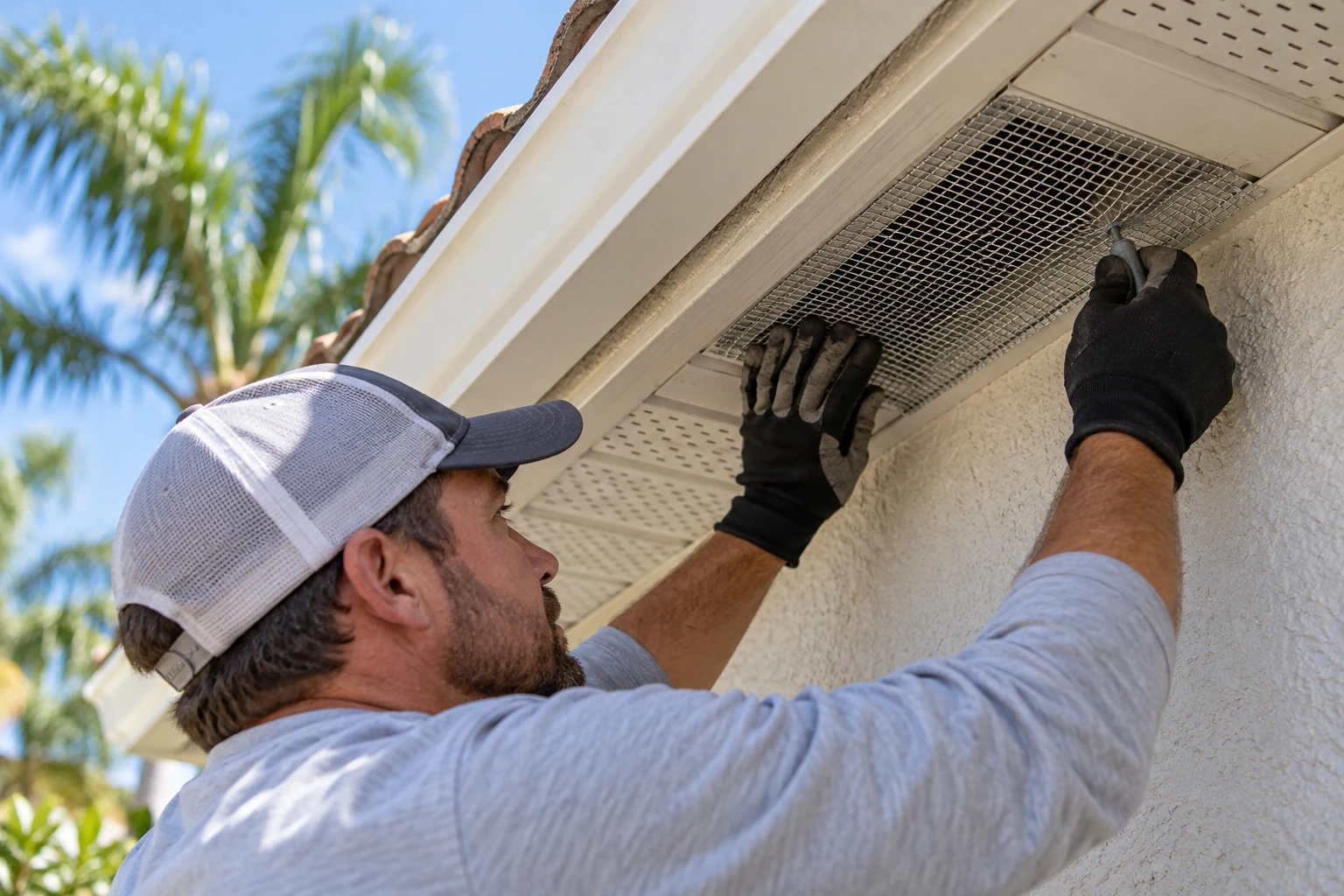
General rodent control is the right starting point when the property has several clues, several spaces, or a history of partial fixes.
The Rodent Control And Removal visit follows the evidence most relevant to this service, then sets the next action in a clear order.
We document what you have noticed, where it happened, and what has already been tried so the visit begins with useful context.
We review likely entry points, concealed spaces, food and water sources, and the condition of areas where rodents may travel or nest.
The recommended order may include removal, exclusion, sanitation, repair, or monitoring. Each step should have a clear purpose.
You receive a plain-language summary of the findings and the actions that make sense for the property, including any items that need another trade.
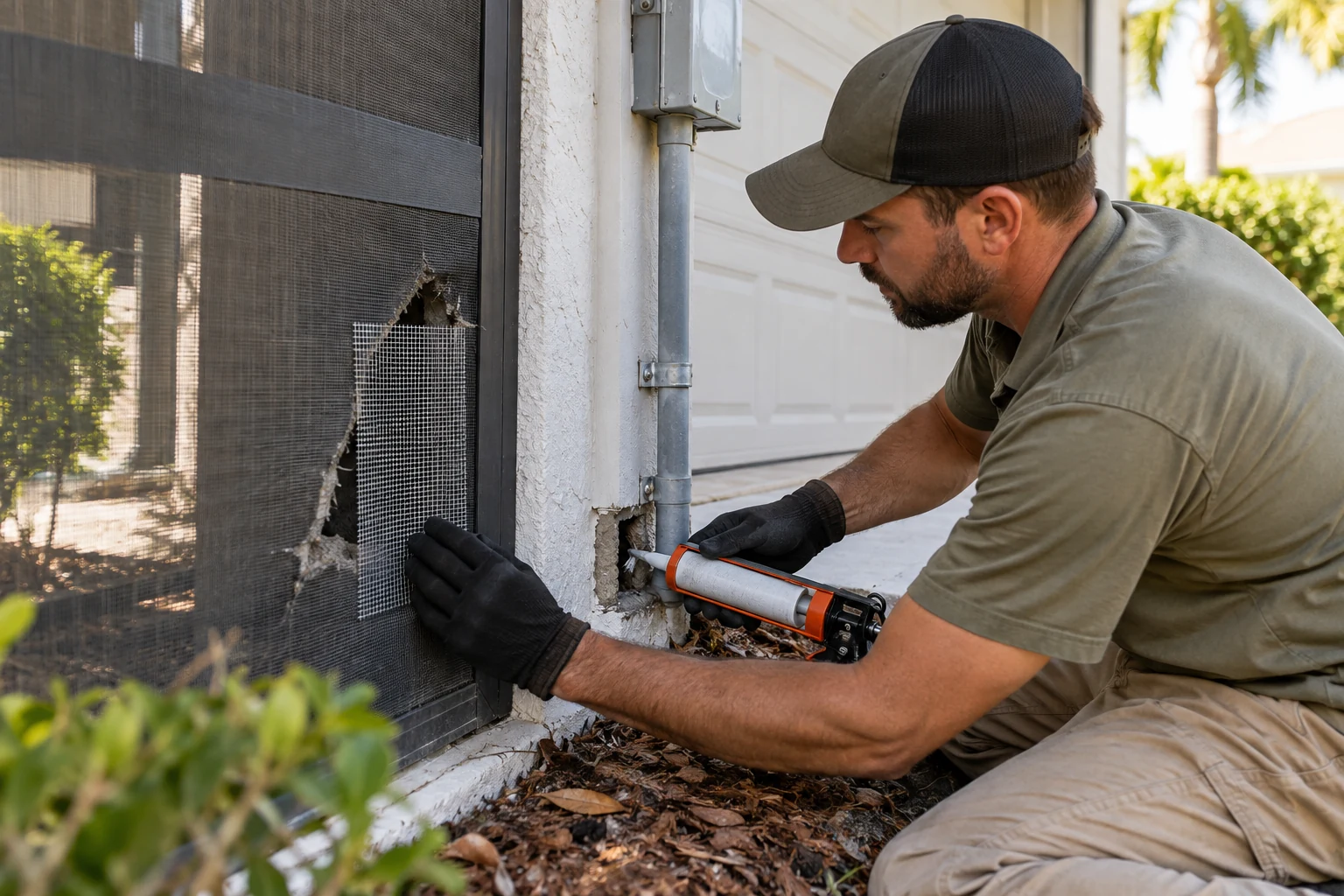
A complete service is useful when it prevents several recommendations from competing with each other.
General control is designed for situations that do not fit a single room or a single service label.
Use this page for mixed evidence, repeated attempts, uncertain species, or a property where removal and building conditions need coordination.

A broad rodent complaint becomes manageable when each decision has an owner and a reason.
Active animals, exposed wiring, contamination, and occupied spaces may need different priorities.
A garage, attic, crawl space, wall, and kitchen can form one route.
Separate control tasks from work requiring an electrician, contractor, or restoration specialist.
Homeowners, tenants, staff, and property managers may need different instructions.

A short, organized history helps a coordinated service begin with the right questions.
Include sightings, sounds, odors, droppings, gnawing, and damaged materials.
Note traps, sealed openings, cleaning, repairs, and dates.
Call out attic, crawl, tenant, business-hour, or access limitations.
Include storms, construction, landscaping, deliveries, occupancy, and storage changes.
Leave knowing which action reduces the current problem and which protects the next month.
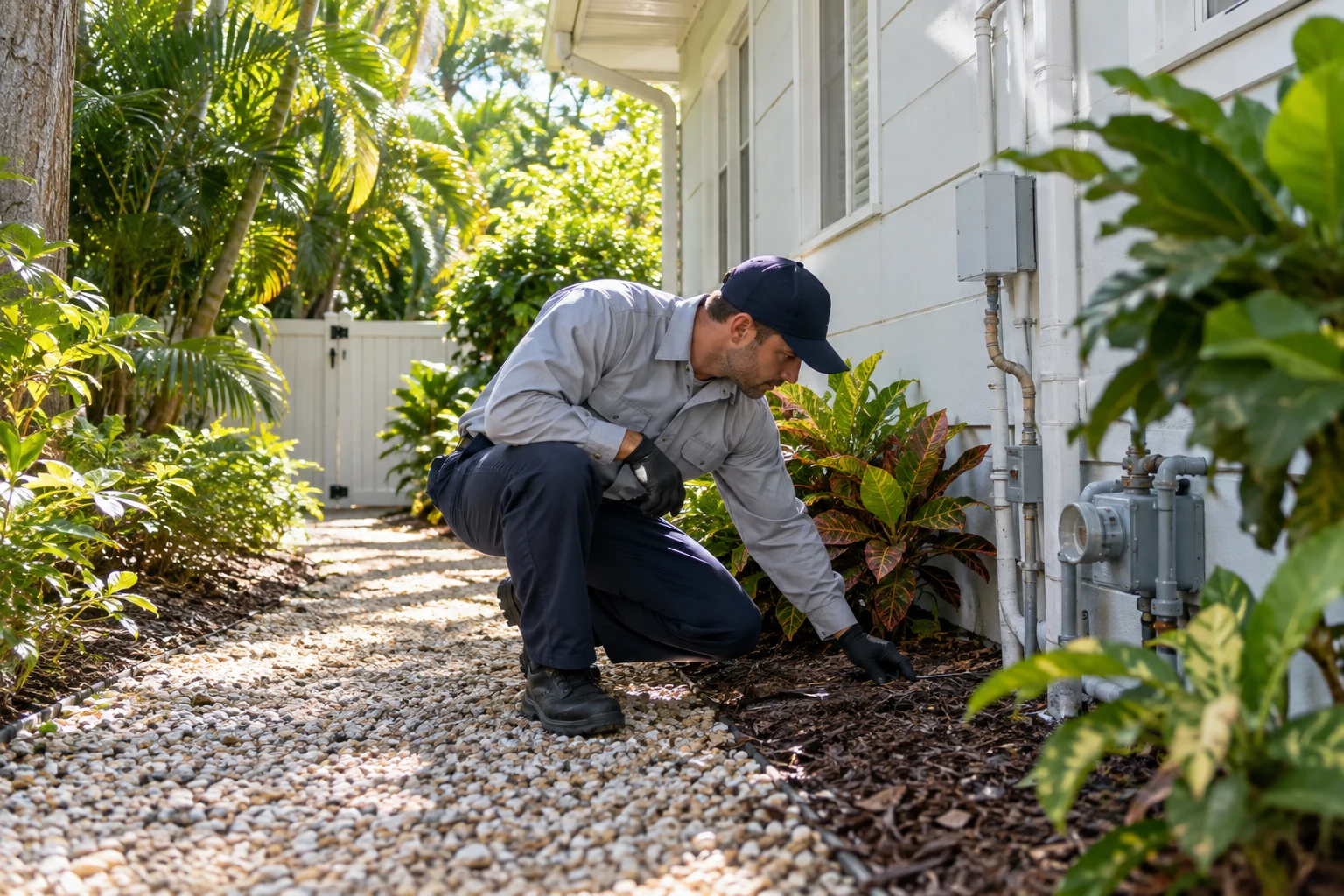
A coordinated service evolves when new evidence changes the property story.
Rat, mouse, or another animal may shift the route and control approach.
Attic, crawl, wall, or cabinet evidence can add a new boundary.
Construction can remove, relocate, or expose the route.
Tenants, staff, pets, storage, or food service can alter the plan.
Describe every sign, every area involved, and what has already been attempted.
Organize the history before the visit so separate clues can be evaluated together.
Include sounds, odors, droppings, damage, and sightings
List traps, sealing, cleaning, repairs, and dates
Mention storms, construction, landscaping, storage, and occupancy
The service is planned around the property and may include assessment, targeted removal, entry-point recommendations, sanitation guidance, and follow-up monitoring.
Yes. The inspection looks for routes and conditions that support activity. Structural repairs or specialized cleanup may be recommended when they fall outside a control visit.
No. The same evidence-led approach can be adapted for offices, shops, storage areas, rental properties, and other occupied spaces.
Share the location of signs, the time of day activity occurs, recent construction or landscaping changes, and any spaces that require special access planning.
For Rodent Control And Removal, describe the affected space, the timing, and what has already changed so the first conversation is useful.
Describe the problem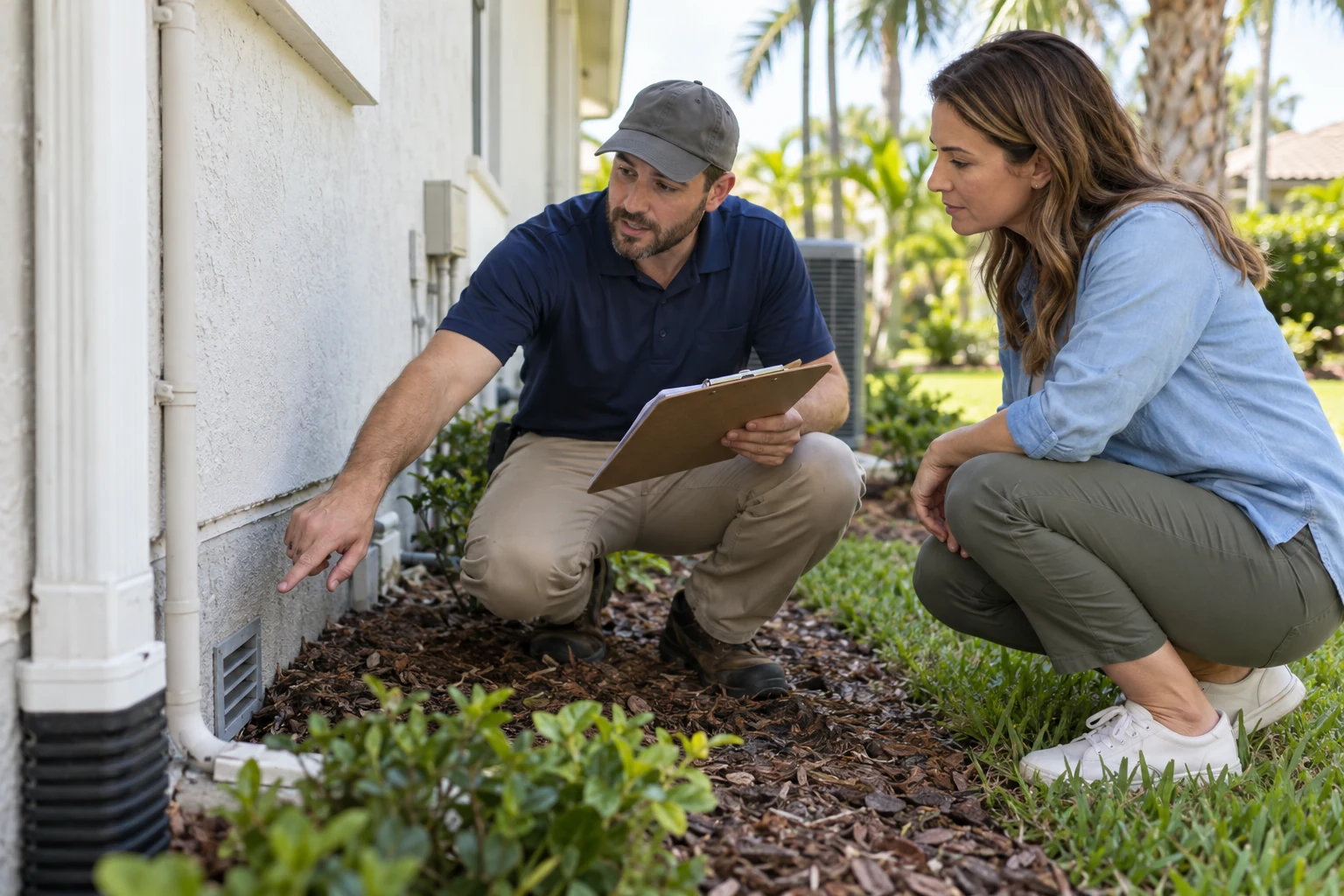
See how this related option supports Rodent Control And Removal planning.
View service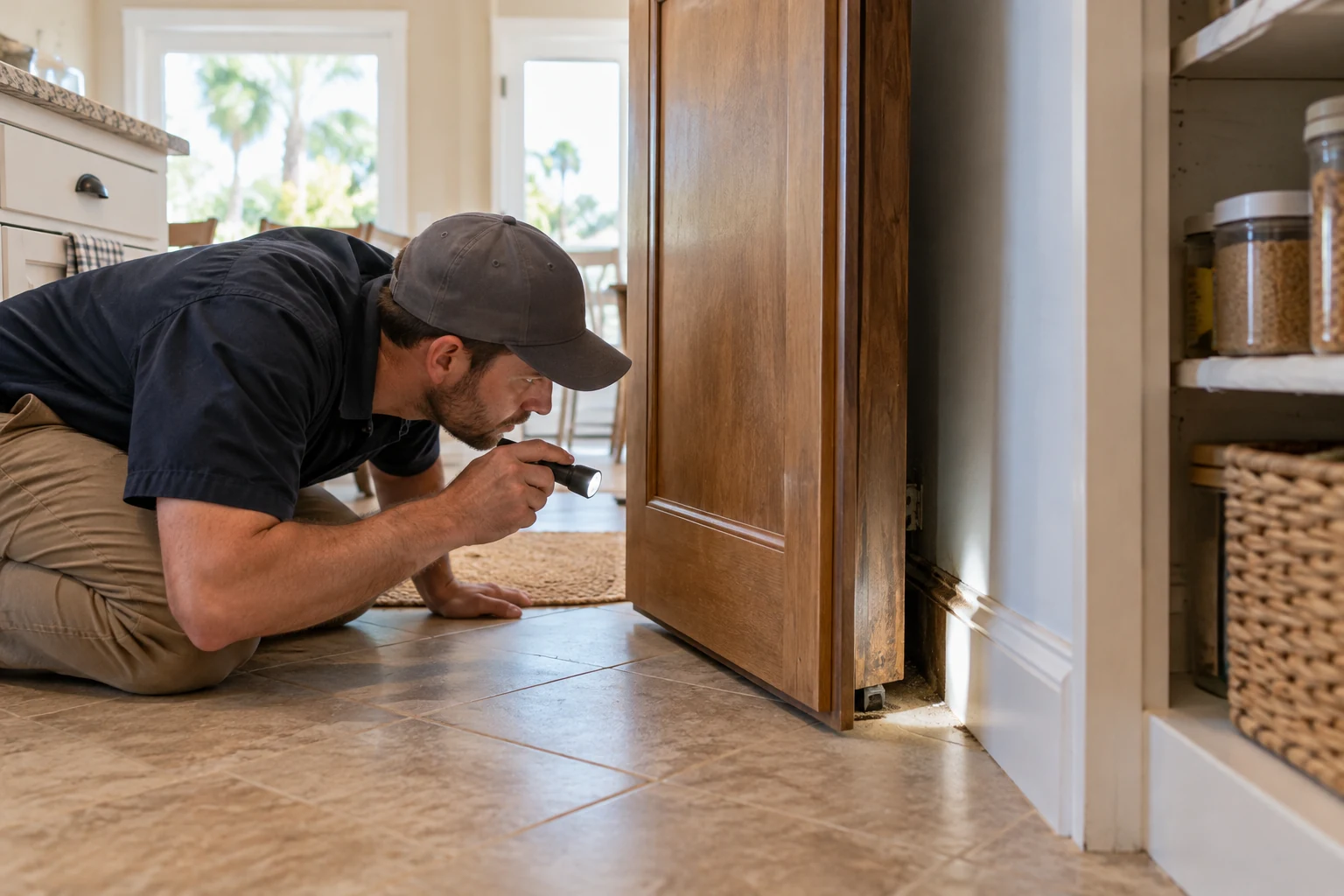
See how this related option supports Rodent Control And Removal planning.
View service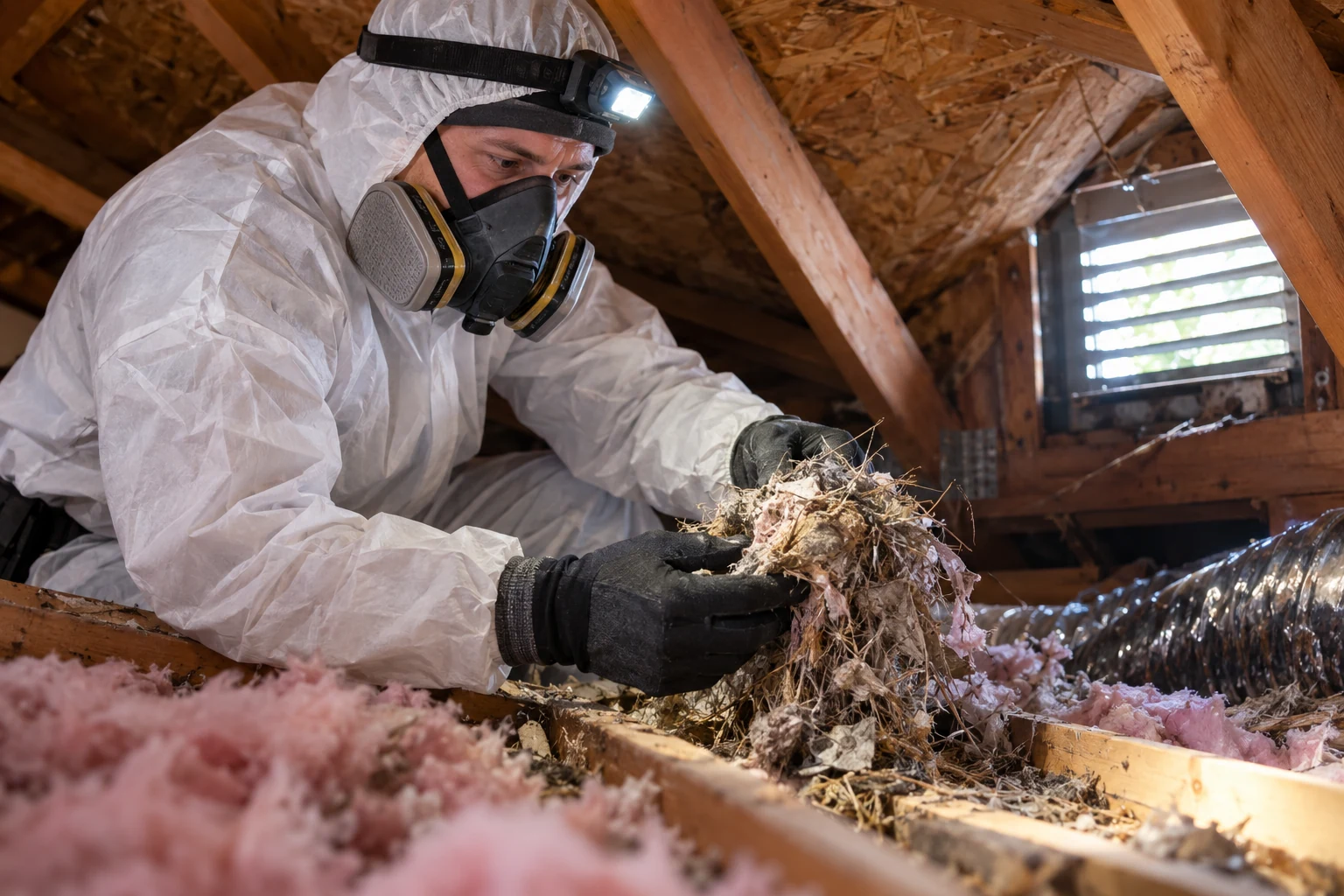
See how this related option supports Rodent Control And Removal planning.
View service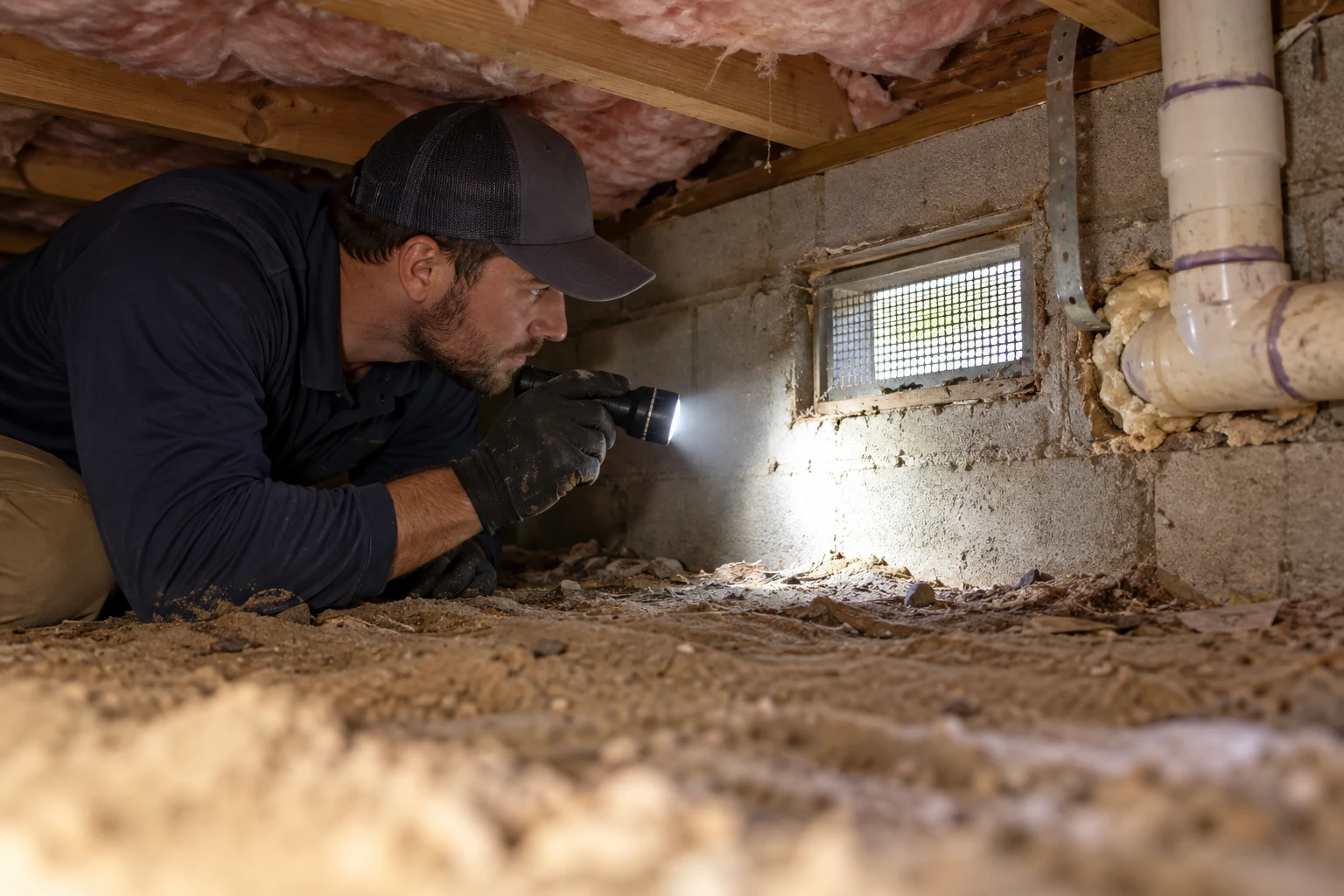
See how this related option supports Rodent Control And Removal planning.
View service
For Rodent Control And Removal, tell us the property type, the affected area, the timing, and any access or household constraint.